
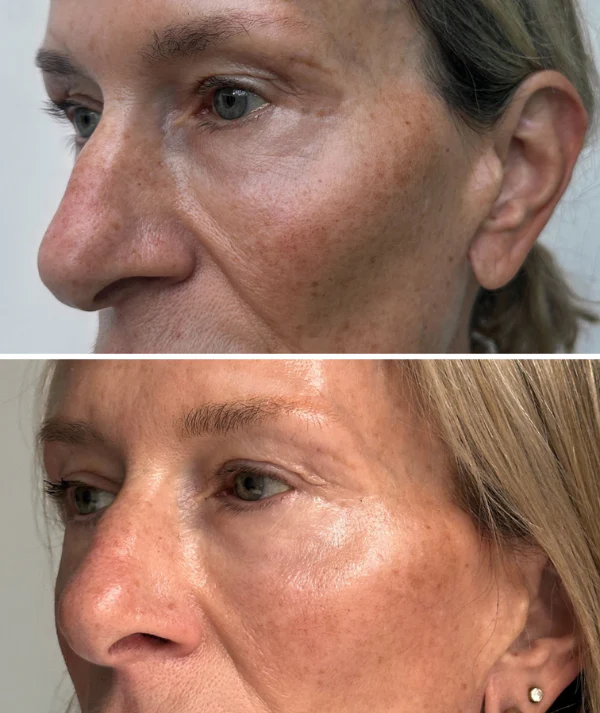
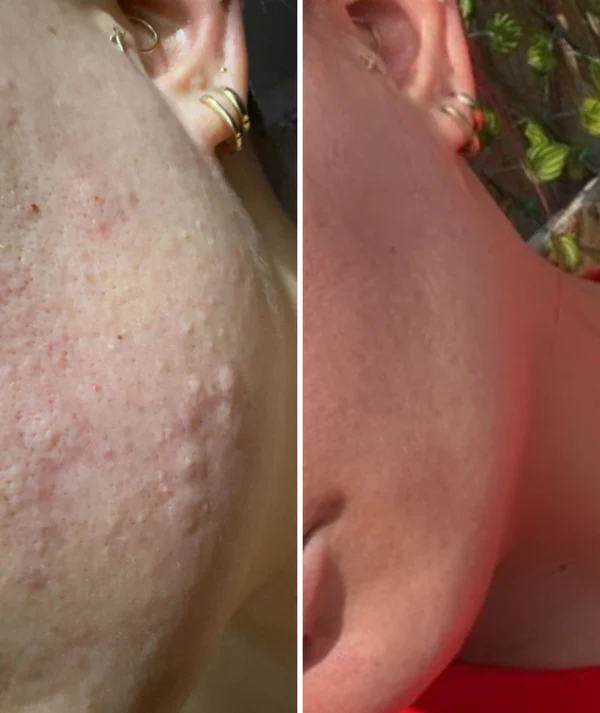

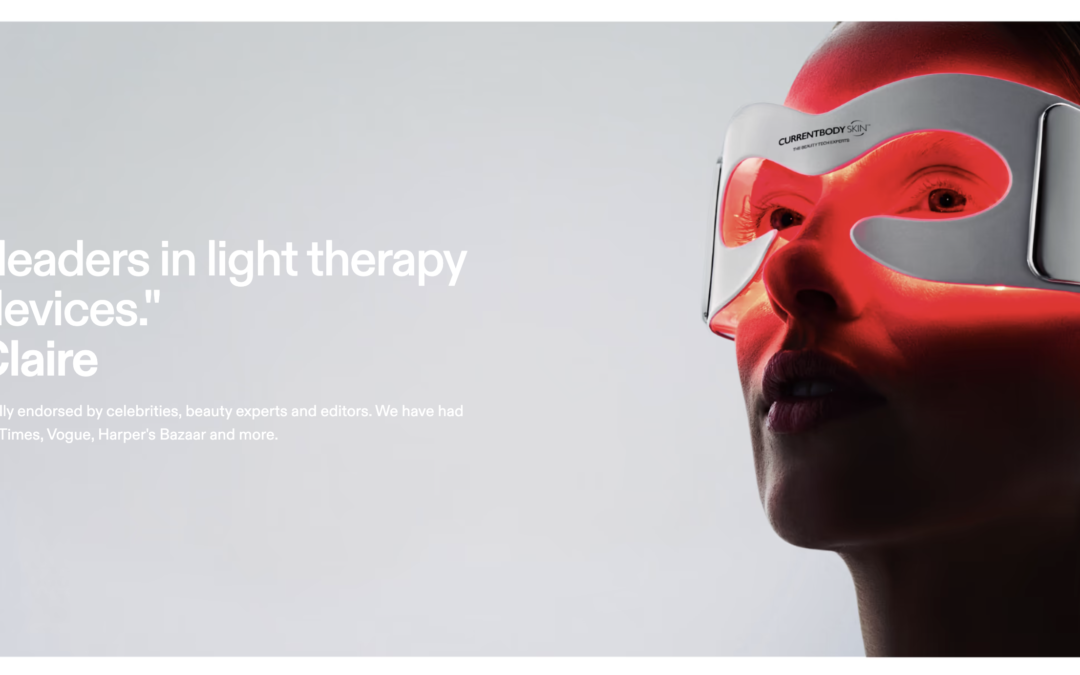
Professional beauty machines allow clinics, salons and aesthetic practitioners to offer technology-based treatments for a wide range of skin and beauty concerns. Equipment can range from LED light therapy systems and radio frequency devices to RF microneedling and professional skin treatment technologies.
Choosing the right equipment involves more than comparing features or purchase prices. UK clinics should consider the treatments they plan to offer, practitioner training, product documentation, servicing, warranty terms and ongoing technical support.
Different technologies also serve different treatment purposes. An LED system, for example, has a different role from radio frequency or RF microneedling equipment, so purchasing decisions should be based on the clinic’s treatment menu and client requirements.
This guide explains the main types of professional beauty machines, what clinics should check before purchasing equipment and how to compare technologies for professional use.
What Are Professional Beauty Machines?
Professional beauty machines are advanced devices designed to support aesthetic treatments, skincare procedures, and wellness programs.
These systems are commonly used in:
- Beauty clinics
- Medical spas
- Wellness centers
- Cosmetic practices
- Professional salons
The growing popularity of professional beauty machines reflects the increasing demand for non-surgical beauty solutions and advanced skincare technologies.
Professional Beauty Machines at a Glance
| Technology | Common Professional Use | What Clinics Should Compare |
|---|---|---|
| LED Light Therapy | Skin-focused light treatments | Wavelengths, treatment area, irradiance and protocols |
| Radio Frequency | Skin tightening and rejuvenation treatments | RF technology, treatment areas, controls and training |
| RF Microneedling | Combined microneedling and RF treatments | Needle system, RF controls, consumables and practitioner training |
| Neck Treatment Devices | Neck and décolletage treatments | Technology, treatment coverage and protocols |
There is no single machine that is suitable for every clinic. Equipment should be selected according to the treatments offered, practitioner competence, available space, operating costs and the type of clients the clinic intends to serve.
Why Beauty Clinics Use Professional Equipment
Modern consumers often seek treatments that deliver visible improvements without lengthy recovery periods.
Benefits include:
- Non-invasive procedures
- Advanced treatment options
- Improved client experiences
- Expanded service offerings
- Business growth opportunities
Because of these advantages, investing in professional beauty machines has become a key strategy for successful clinics.
Popular Types of Professional Beauty Machines
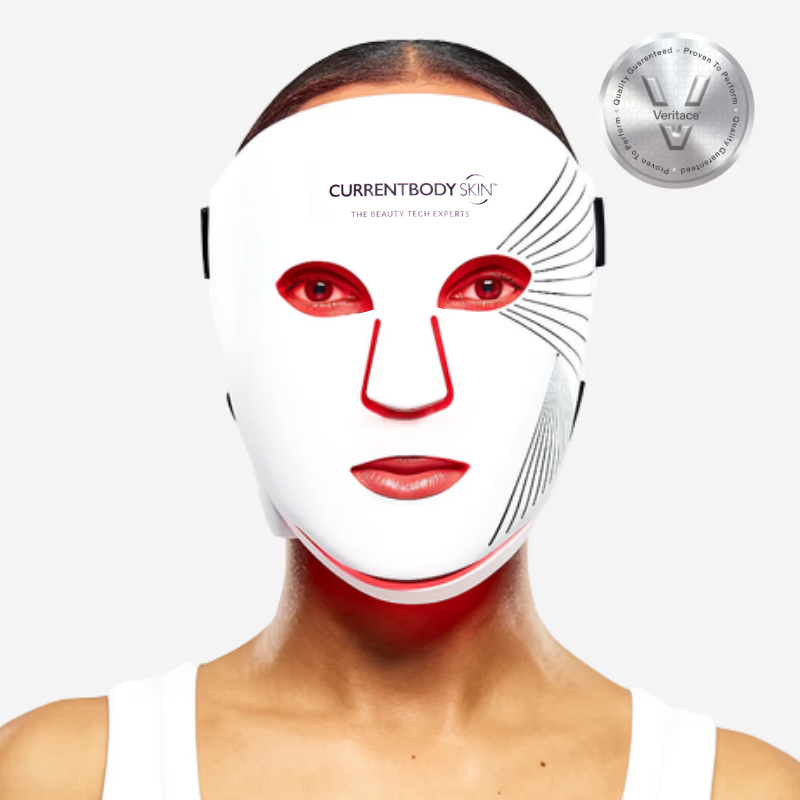
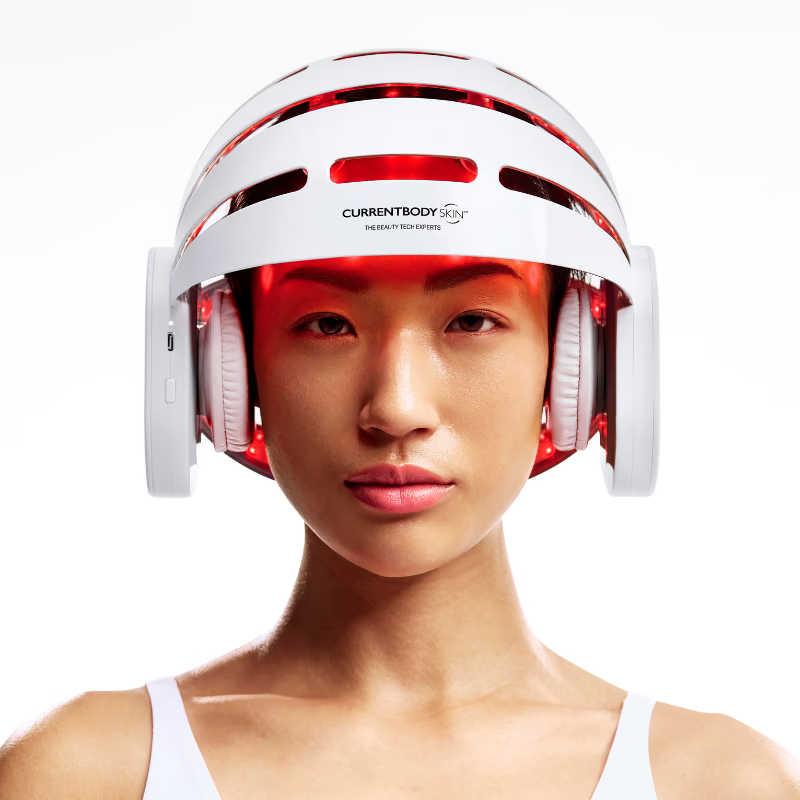
LED Light Therapy Systems
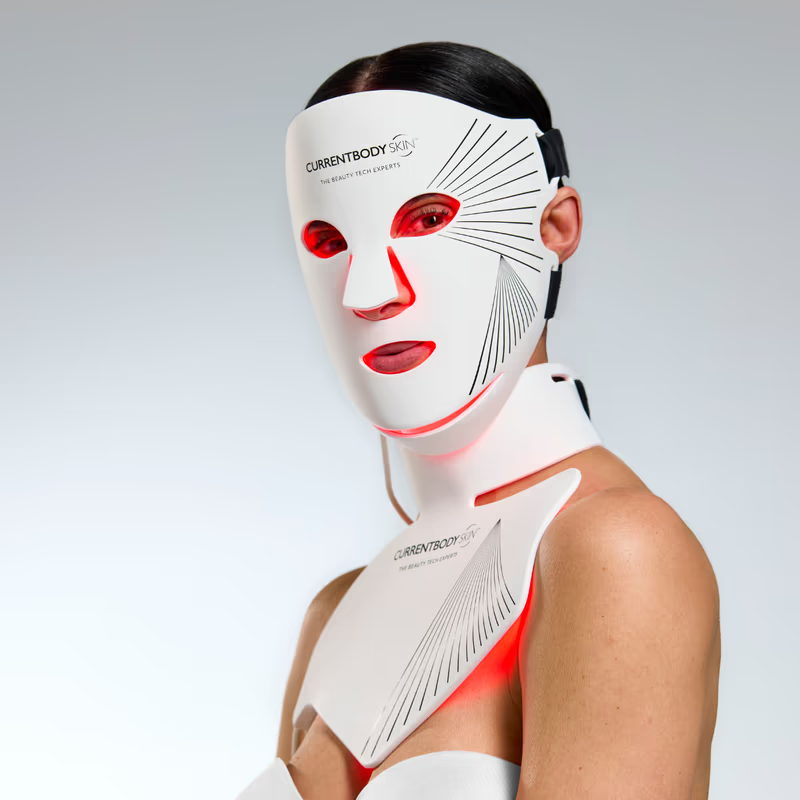
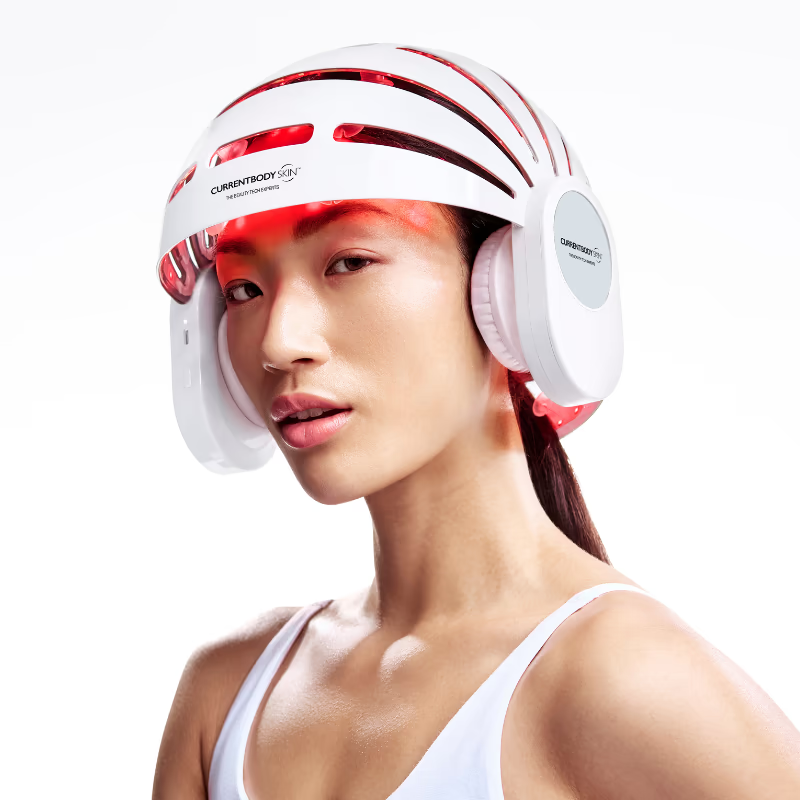
LED light therapy systems are used in professional aesthetic settings for a range of skin-focused treatments.
Common applications include:
- Skin rejuvenation
- Anti-aging programs
- Facial treatments
- Wellness therapies
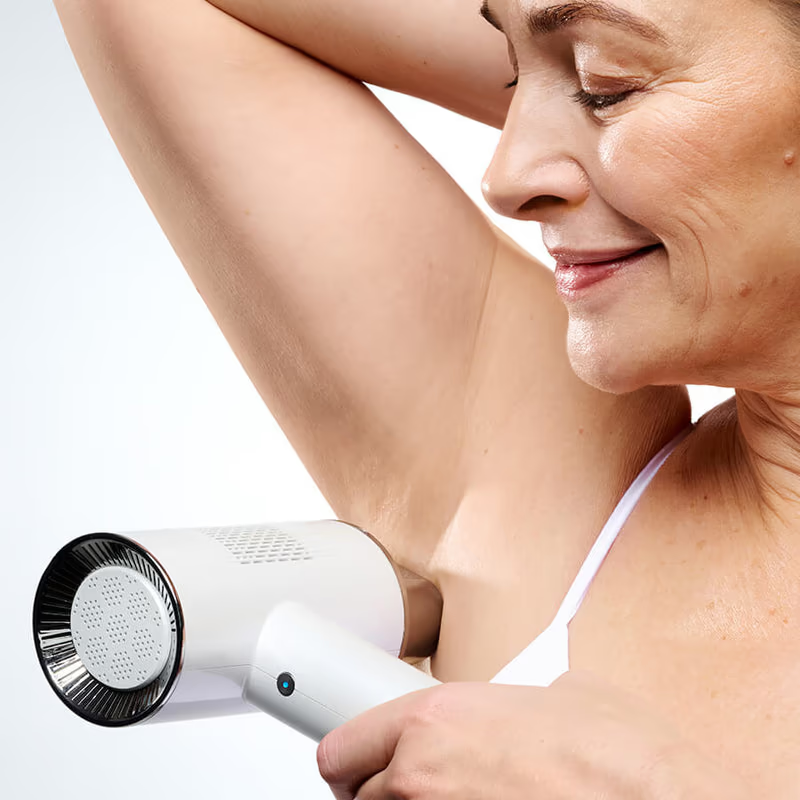
Radio frequency technology is used in aesthetic settings for treatments focused on areas such as skin tightening and facial rejuvenation.
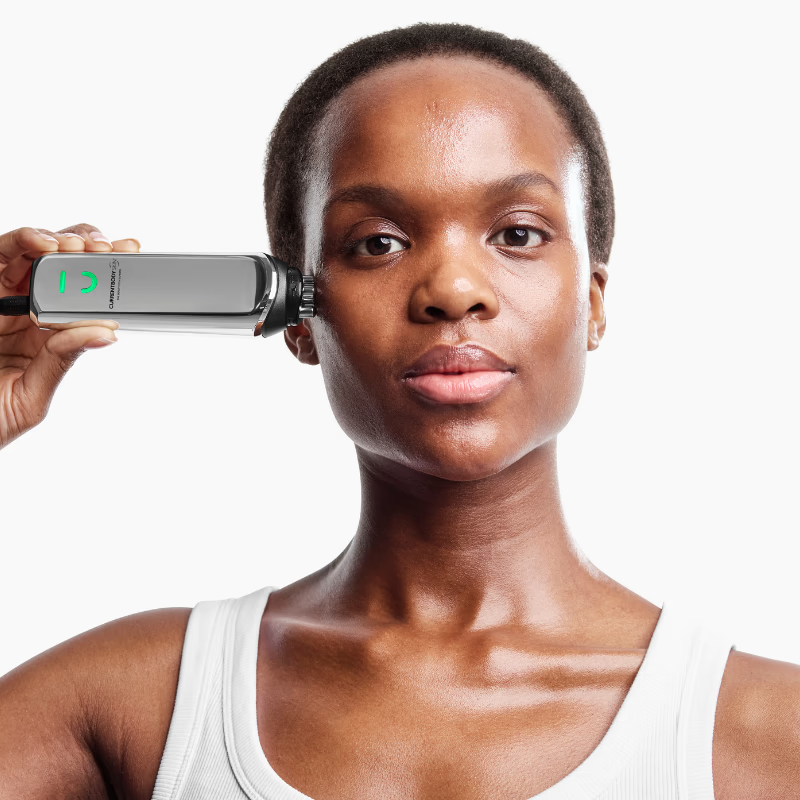
Radio Frequency Devices
Radio frequency technology is commonly used for:
- Skin tightening
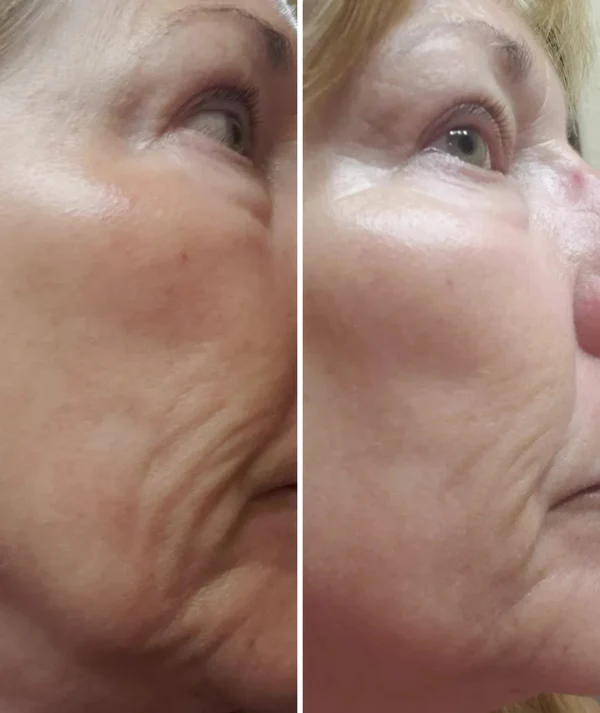
- Facial rejuvenation
- Collagen support
- Anti-aging procedures
RF treatments remain among the most requested services in many aesthetic practices.
RF Microneedling Machines
RF microneedling combines microneedling with radio frequency energy.
Popular applications include:
- Skin texture improvement
- Collagen stimulation
- Anti-aging treatments
- Professional skin rejuvenation
These systems continue driving demand for advanced aesthetic services.
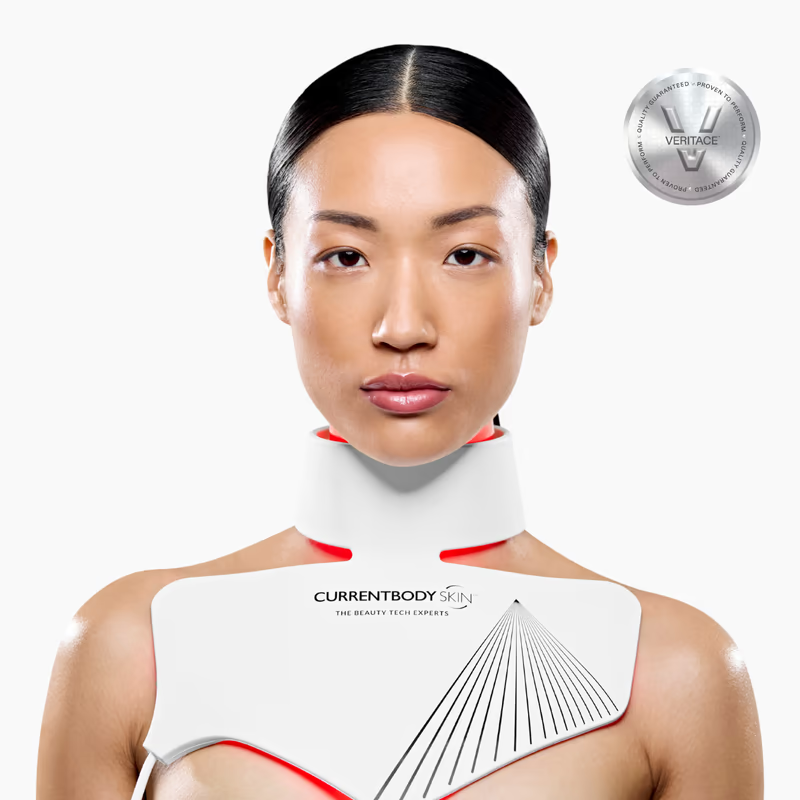
Neck Rejuvenation Devices
Many clinics now offer specialized treatments targeting the neck and jawline area.
These technologies help expand anti-aging treatment portfolios.
What Clinics Should Consider Before Investing
Professional equipment can expand a clinic’s treatment capabilities, but purchasing a machine should be based on practical business and treatment requirements rather than technology alone.
Before investing, consider:
- Which treatments the equipment will support
- Whether practitioners require additional training
- Expected treatment frequency
- Consumable and maintenance costs
- Warranty and servicing arrangements
- Replacement-part availability
- Space required for the equipment
- Treatment time per appointment
- Client suitability and consultation requirements
- Whether the technology complements existing services
A machine that fits an established treatment menu may be more useful than purchasing technology simply because it is new or heavily marketed.These factors make professional beauty machines valuable business assets.
Enhanced Client Satisfaction
Modern clients often prefer advanced treatment technologies.
Professional equipment helps clinics provide:
- Innovative services
- Comfortable procedures
- Improved treatment experiences
- Greater client confidence
Satisfied clients are more likely to return for future treatments.
Expanded Treatment Options
Professional equipment enables clinics to address multiple beauty concerns.
Examples include:
- Skin rejuvenation
- Anti-aging support
- Facial treatments
- Wellness services
- Skin tightening procedures
Versatility remains one of the greatest strengths of modern beauty technology.
Choosing the Right Professional Beauty Machines
Before purchasing equipment, clinic owners should consider several factors.
Technology Type
Select technologies that align with client demand and business goals.
Product Quality
High-quality systems often provide:
- Better durability
- Reliable performance
- Longer service life
Supplier Support
Reliable suppliers typically offer:
- Product training
- Technical assistance
- Maintenance support
- Marketing guidance
Choosing the right equipment partner can significantly impact long-term success.
Check Documentation and UK Requirements
Before purchasing professional equipment, ask the supplier or manufacturer for documentation relating to the machine’s intended use, operation, maintenance and safety.
Useful information to request can include:
- Product specifications
- Intended-use information
- Operating and safety instructions
- Training documentation
- Warranty terms
- Maintenance requirements
- Servicing arrangements
- Manufacturer details
- Applicable conformity documentation
Where equipment falls within UK medical device regulations, additional regulatory requirements may apply. Clinics should therefore establish the intended purpose and regulatory status of individual equipment rather than assuming that every professional beauty machine is regulated in the same way.
For equipment that qualifies as a medical device, the UK Medicines and Healthcare products Regulatory Agency provides official guidance on medical-device requirements and conformity assessment in Great Britain.
Use this official UK source on the words “official guidance on medical-device requirements and conformity assessment”:
MHRA guidance on medical devices and UK requirements
Professional vs Home-Use Beauty Devices
Professional beauty machines are intended for use within professional treatment environments and should not automatically be compared with consumer devices designed for home use.
Depending on the technology, professional systems may differ in treatment parameters, controls, protocols, servicing requirements, practitioner training and intended use.
When comparing equipment, clinics should therefore evaluate the specifications and intended purpose of the individual machine rather than assuming that a larger or more powerful device is automatically better.
Professional clinics should also consider manufacturer support, training, maintenance and appropriate treatment protocols when introducing new technology.
Related Beauty Technologies
Salon owners researching equipment often explore these categories.
👉 Radio Frequency Skin Tightening
👉 Neck Skin Tightening Devices
Together, these technologies create a comprehensive treatment portfolio for modern aesthetic clinics.
Final Thoughts
The increasing adoption of professional beauty machines highlights the growing importance of technology within the modern aesthetics industry. From skin rejuvenation and anti-aging treatments to wellness and facial procedures, advanced beauty equipment continues helping clinics meet evolving consumer expectations.
As innovation accelerates and demand for non-invasive treatments grows, investing in high-quality beauty technology remains one of the most effective ways for clinics and wellness centers to expand services and strengthen long-term business success.
FAQ’s:
What are professional beauty machines?
Professional beauty machines are advanced devices used in aesthetic clinics, spas, and wellness centers to provide skincare and beauty treatments.
Why are professional beauty machines important?
They help clinics offer advanced treatments, improve client satisfaction, and create additional revenue opportunities.
What types of professional beauty machines are most popular?
LED therapy systems, radio frequency devices, RF microneedling machines, and skin tightening equipment are among the most popular options.
How do clinics choose beauty equipment?
Important factors include technology type, quality, supplier support, and treatment demand.
What should a clinic check before buying a professional beauty machine?
Clinics should compare the technology’s intended use, specifications, practitioner training requirements, warranty, servicing, consumables, maintenance costs and manufacturer or supplier support. Where relevant, they should also check applicable UK regulatory and conformity requirements.