



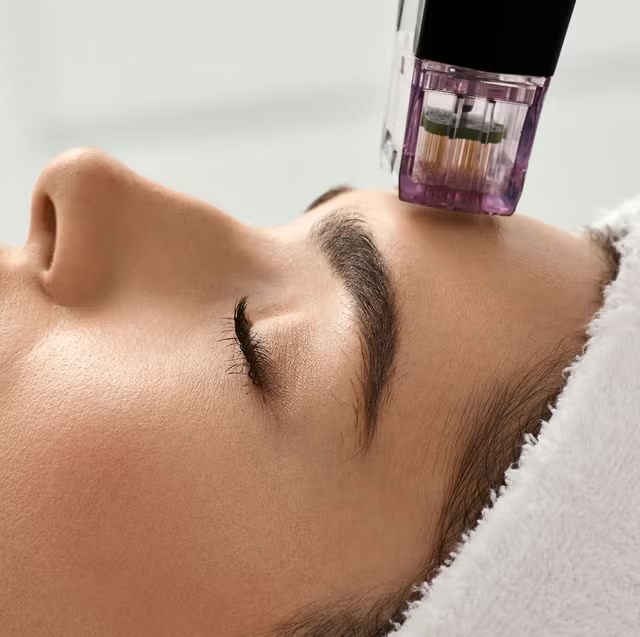
Advanced skin rejuvenation treatments have become an important part of the modern UK aesthetics industry. Clients increasingly want treatments that address concerns such as uneven texture, visible signs of ageing, acne scarring and reduced skin firmness without immediately considering surgical procedures.
One technology receiving considerable attention is RF microneedling, which UK clinics are increasingly incorporating into advanced facial treatment programmes.
RF microneedling combines two established aesthetic approaches: controlled microneedling and radio frequency energy. By bringing these technologies together, professional systems allow practitioners to create treatment programmes for a range of skin concerns.
For beauty clinics and aesthetic businesses, RF microneedling can also complement existing technologies such as LED light therapy and standard radio frequency treatments.
This guide explains how RF microneedling works, its potential benefits, what clients can expect and what UK clinics should consider before investing in professional equipment.
What Is RF Microneedling?
RF microneedling, also known as radio frequency microneedling, combines controlled microneedling with radio frequency energy.
Traditional microneedling uses very fine needles to create controlled micro-injuries within the skin. These trigger natural repair processes associated with collagen and elastin production.
RF Microneedling adds radio frequency energy to this process.
Depending on the equipment and treatment settings, RF energy can be delivered at selected depths beneath the skin’s surface.
This combination makes the technology particularly relevant for clinics offering advanced skin rejuvenation treatments.
RF Microneedling UK at a Glance
Technology: Microneedling combined with radio frequency energy
Common treatment goals: Skin texture, firmness, fine lines, acne scarring and facial rejuvenation
Treatment setting: Professional aesthetic clinics and trained practitioner environments
Results: Changes generally develop gradually as skin-remodelling processes take place
Important consideration: Treatment suitability, settings and treatment course should be determined through professional consultation
How Does RF Microneedling Work?
During professional RF microneedling treatment, specialised needles penetrate the skin at controlled depths.
Radio frequency energy is then delivered into targeted tissue.
The combination creates two treatment mechanisms:
Controlled Microneedling
The micro-channels created during treatment encourage the body’s natural healing response.
Radio Frequency Energy
Controlled RF energy generates heat within targeted tissue, supporting processes associated with collagen remodelling and skin firmness.
Because treatment depth and energy can vary according to the equipment, practitioner expertise is extremely important.
Clinics considering professional RF equipment should also understand conventional Radio Frequency treatments and how the two technologies differ.
What Are the Benefits of RF Microneedling?
Professional treatment programmes may use RF microneedling for several aesthetic concerns.
Potential applications include:
- Improving the appearance of skin texture
- Supporting firmer-looking skin
- Reducing the appearance of fine lines
- Improving the appearance of certain acne scars
- Supporting facial rejuvenation
- Improving overall skin appearance
The treatment is particularly attractive to clients who want more advanced rejuvenation options without moving directly towards surgical procedures.
Our guide to Anti-Ageing Treatments That Actually Work explores how RF microneedling fits alongside other professional rejuvenation technologies.
RF Microneedling for Skin Rejuvenation
Collagen and elastin play important roles in maintaining the appearance of firm, resilient skin.
As people age, natural collagen production decreases. Environmental factors such as UV exposure and lifestyle can also contribute to visible skin ageing, radio frequency microneedling.
RF microneedling treatments are often designed to support natural skin renewal and collagen remodelling.
Rather than expecting instant transformation, clients should understand that changes may develop gradually.
This makes professional consultation and realistic treatment expectations extremely important.
RF Microneedling for Acne Scars and Skin Texture
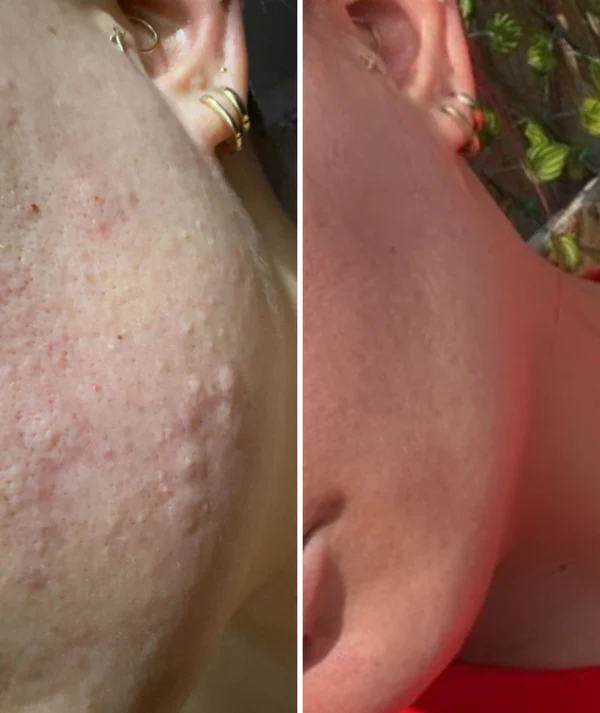
Uneven texture and acne scarring are common reasons clients investigate microneedling treatments.
Controlled microneedling is frequently associated with skin-remodelling programmes, while adding radio frequency energy creates another treatment component.
However, not every type of scar or skin condition is appropriate for the same procedure, radio frequency microneedling.
A professional consultation should determine:
- Skin condition
- Scar type
- Treatment suitability
- Relevant contraindications
- Appropriate treatment depth
- Expected treatment course
Clinics should avoid promising complete removal of scars or guaranteed outcomes.
RF Microneedling vs Traditional Microneedling
Traditional microneedling and RF microneedling share similarities, but they are not identical.
Traditional microneedling primarily relies on controlled micro-injuries.
RF microneedling combines those micro-injuries with radio frequency energy, RF microneedling treatment.
The addition of RF allows practitioners to introduce controlled thermal energy beneath the skin.
This may make RF microneedling UK treatments attractive to clinics specialising in more advanced rejuvenation services.
The correct choice depends on the client’s concerns, practitioner assessment and treatment objectives.
RF Microneedling vs Radio Frequency Skin Tightening
Another common point of confusion is the difference between standard RF and RF microneedling.
Traditional radio frequency skin tightening does not normally involve needles.
Instead, RF energy is delivered through an applicator positioned against the skin.
RF microneedling uses needles to deliver treatment at controlled depths.
Both technologies may be incorporated into programmes focused on ageing skin and rejuvenation, but they work differently.
Clinics offering both services can select treatments according to individual client requirements rather than using one approach for every concern.
Can RF Microneedling Be Combined with LED Therapy?
Modern aesthetic clinics increasingly build treatment programmes using complementary technologies rather than relying on a single machine.
Professional LED therapy may be incorporated into broader skincare programmes where appropriate.
For example, clinics using LED Light Therapy Panels can provide LED sessions within their facial treatment offering.
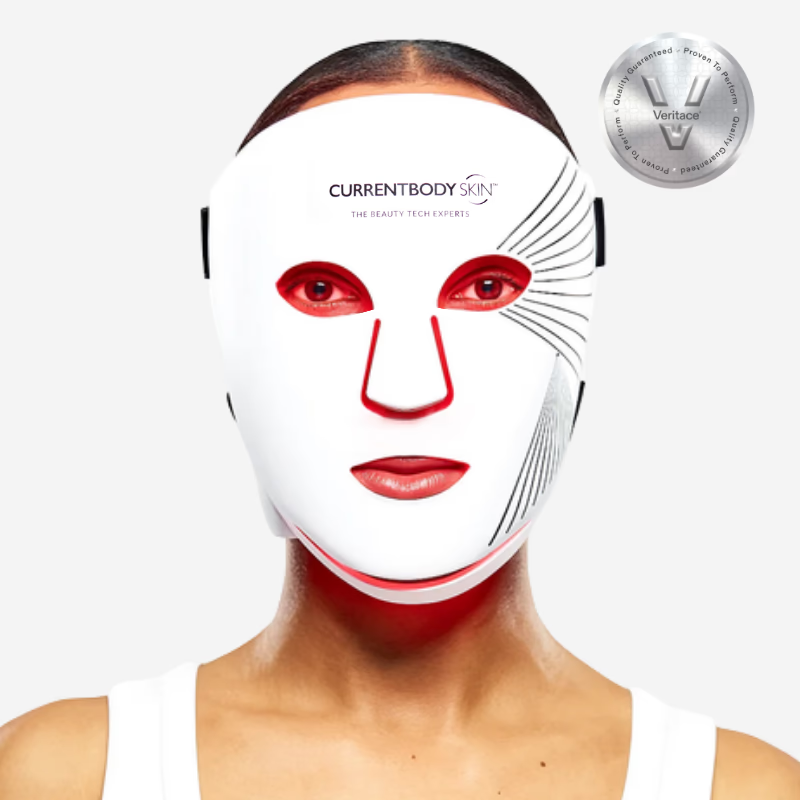
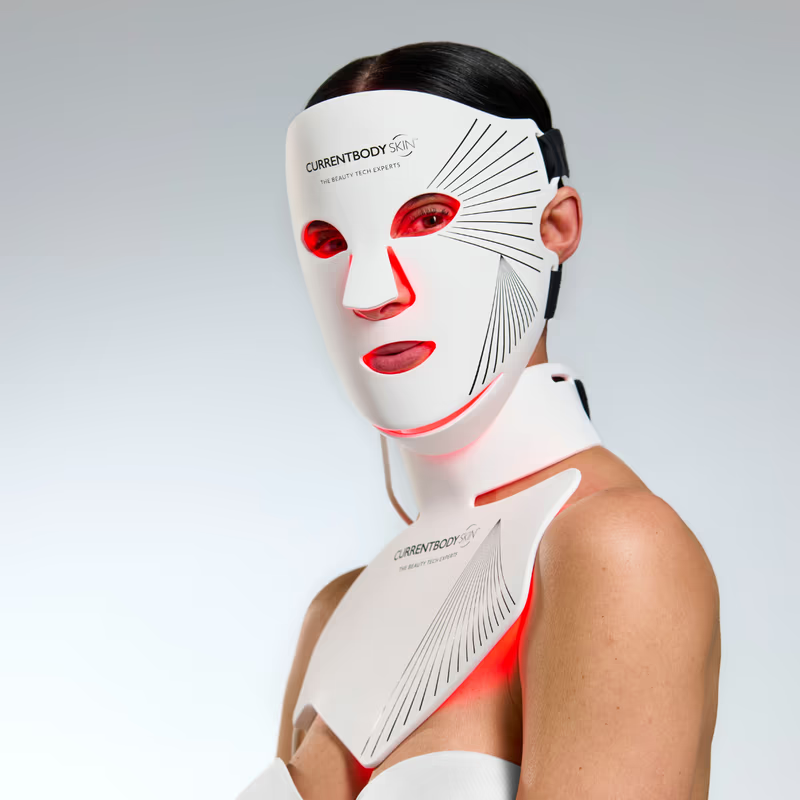
Professional LED Face Masks provide another light therapy format that can support targeted skincare programmes.
Our LED Light Therapy for Skin Rejuvenation guide explains LED technology in greater detail, while the LED Light Therapy Before and After Guide discusses realistic treatment expectations.
Treatment timing and combinations should always follow appropriate professional protocols.
What Happens During an RF Microneedling Treatment?
The exact procedure varies depending on the machine, treatment area and clinic protocol.
A professional appointment may involve:
- Client consultation and skin assessment
- Cleansing the treatment area
- Preparing the skin according to protocol
- Selecting appropriate machine settings
- Performing the RF microneedling treatment
- Applying suitable post-treatment products
- Providing aftercare instructions
Because the procedure involves controlled skin penetration, hygiene and practitioner training are particularly important.
RF Microneedling Results and Recovery: What to Expect
Post-treatment appearance varies depending on treatment intensity and individual skin response.
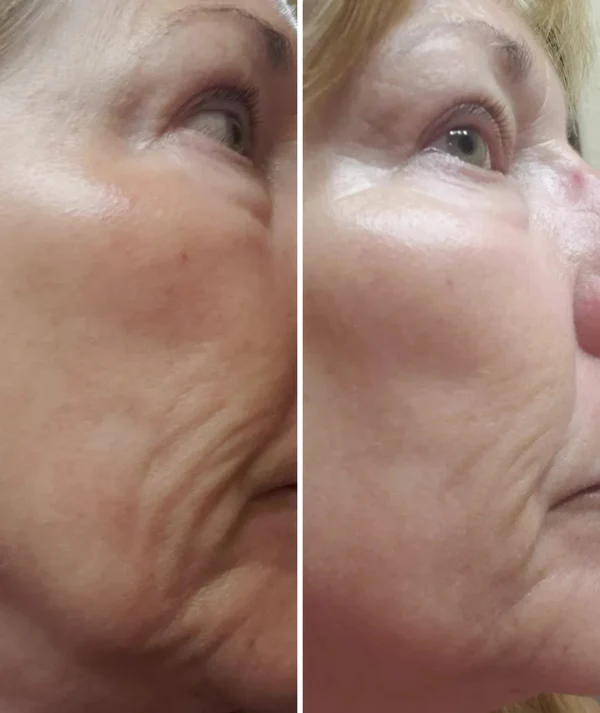
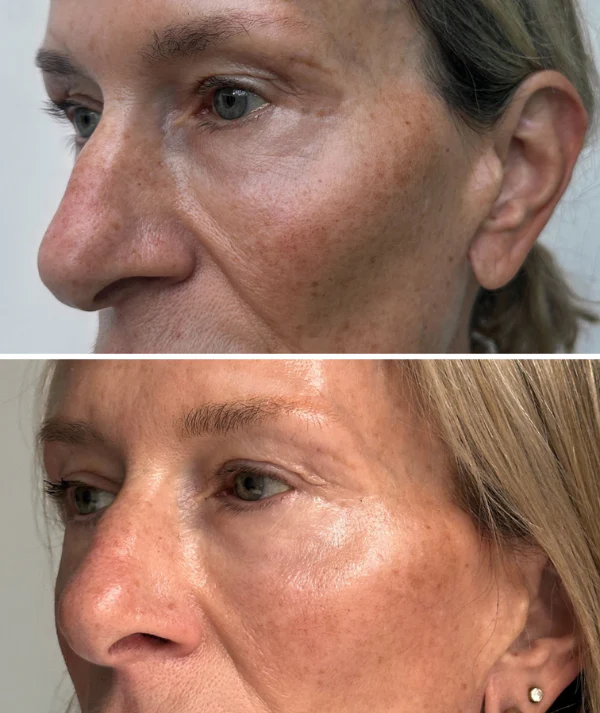
RF microneedling results are not normally immediate. Changes associated with skin remodelling may become more noticeable gradually, while the timeline can vary according to treatment intensity, treatment course and individual skin response.
Clients may experience temporary effects such as:
- Redness
- Warmth
- Mild swelling
- Sensitivity
- Temporary dryness
Practitioners should explain expected recovery and provide clear aftercare advice before treatment begins.
Clients should also understand that visible improvements related to skin remodelling can take time.
A treatment course may be recommended depending on the client’s goals and professional assessment.
Choosing an RF Microneedling Machine
Purchasing professional equipment requires considerably more research than simply comparing prices.
When selecting an RF microneedling machine, clinics should consider:
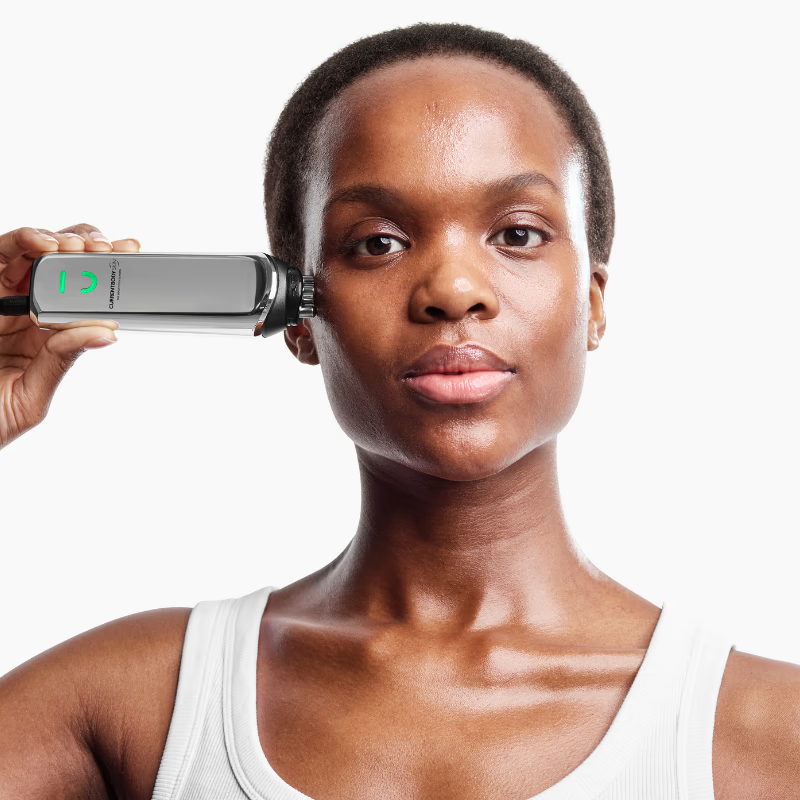
Clinics comparing professional equipment can also explore our RF Microneedling Treatment device for product specifications, pricing and availability.
Adjustable Treatment Depth
Professional equipment should provide appropriate control according to its intended treatment protocols.
Energy Controls
Practitioners need reliable treatment settings and clear operating instructions.
Consumables
Understand the cost and availability of cartridges, needle tips or other required components.
Training
Proper practitioner training is essential.
Hygiene
Single-use components and appropriate infection-control procedures should be clearly understood.
Warranty and Servicing
Professional equipment should be supported by clear warranty and technical assistance.
Our Professional Beauty Machines UK – Complete Guide for Modern Aesthetic Clinics provides additional guidance on comparing commercial aesthetic technology.
Choosing the Right Equipment Supplier
Advanced treatments make supplier support especially important.
Reliable Beauty Equipment Suppliers UK should provide detailed information about:
- Equipment specifications
- Training
- Treatment protocols
- Consumables
- Warranty
- Replacement parts
- Technical support
- Servicing
Clinics should also investigate the Aesthetic Equipment Manufacturer behind the technology.
A professional supplier should be willing to answer technical questions before you make a purchase.
Is RF Microneedling a Good Investment for a UK Clinic?
Whether a machine makes financial sense depends on your business.
Consider:
- Local demand
- Target clients
- Equipment cost
- Treatment pricing
- Practitioner time
- Consumable cost
- Training expenses
- Expected bookings
- Maintenance costs
Clinics already specialising in anti-ageing, facial rejuvenation or skin texture treatments may find the technology particularly relevant.
Our Medical Spa Equipment Buying Guide explains how to assess professional equipment purchases based on long-term business value rather than purchase price alone.
How RF Microneedling Fits Into Your Clinic Equipment Strategy
A successful clinic does not necessarily need every available technology.
Instead, equipment should work together.
A skin-focused clinic might build its services around:
- RF microneedling
- Radio frequency
- LED light therapy
- Neck skin tightening
- Professional skincare treatments
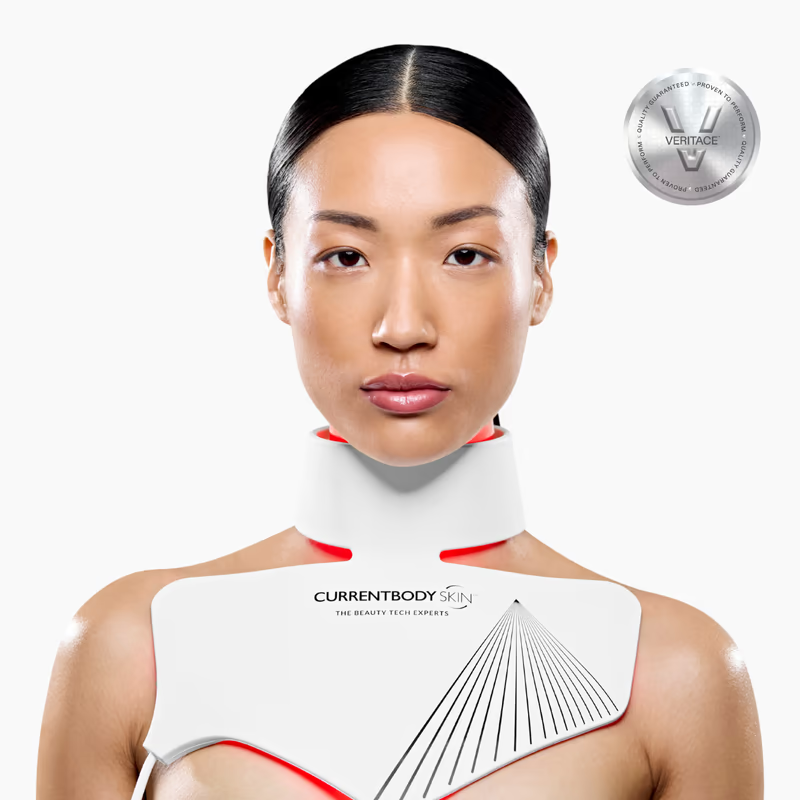
A Neck Skin Tightening Device can extend rejuvenation programmes beyond the face, while LED and RF systems can support additional treatment options.
Clinics still planning their technology should review our Beauty Salon Equipment Checklist before making multiple purchases.
New business owners can also use How to Start a Beauty Clinic in the UK to connect equipment decisions with their overall business plan.
Common Mistakes When Introducing RF Microneedling
Avoid these common mistakes:
- Purchasing equipment based solely on price
- Using inadequate practitioner training
- Making guaranteed treatment claims
- Ignoring contraindications
- Underestimating consumable costs
- Failing to plan aftercare
- Buying before researching client demand
- Ignoring warranty and servicing
- Choosing suppliers without technical support
Advanced equipment should be introduced carefully and supported by suitable training and professional protocols.
UK Clinic and Licensing Considerations
Requirements for aesthetic treatments can vary according to the procedure, location and local authority. Clinics should check the rules applying to their premises and practitioners before introducing RF microneedling. Businesses should also maintain appropriate practitioner training, hygiene procedures, client consultation, treatment records and aftercare protocols.
GOV.UK advises businesses offering special treatments to check whether premises licensing is required through their local council. Current government work on non-surgical cosmetic procedure licensing has also specifically considered combined radiofrequency and microneedling procedures.
GOV.UK special treatment premises licensing
Final Thoughts
RF microneedling UK clinics offer can provide an important addition to advanced skin rejuvenation and anti-ageing treatment menus. By combining controlled microneedling with radio frequency energy, the technology provides practitioners with another option for addressing concerns involving skin texture, firmness and overall appearance.
However, successful RF microneedling services depend on much more than owning the machine.
Practitioner training, equipment quality, hygiene protocols, realistic client expectations, supplier support and careful treatment planning are all essential considerations.
Clinics should therefore evaluate the technology as part of a wider equipment strategy. When RF microneedling is combined appropriately with technologies such as standard radio frequency, LED light therapy and neck rejuvenation treatments, practitioners can build comprehensive programmes around different client concerns.
Investing carefully in professional technology can help UK clinics expand their treatment offering while creating stronger opportunities for repeat appointments and long-term client relationships.
Frequently Asked Questions
What is RF microneedling?
RF microneedling combines controlled microneedling with radio frequency energy. Professional devices use fine needles while delivering RF energy at selected treatment depths according to the equipment and protocol.
What is RF microneedling used for?
Professional clinics may use RF microneedling within treatment programmes addressing concerns such as skin texture, fine lines, skin firmness, acne scarring and general facial rejuvenation.
What is the difference between RF microneedling and radio frequency?
Standard radio frequency treatments generally deliver RF energy without needles. RF microneedling combines radio frequency energy with controlled skin penetration using specialised microneedles.
How long do RF microneedling results take?
Results vary between individuals. Improvements associated with skin remodelling and collagen processes can develop gradually, and practitioners may recommend a treatment course based on the client’s goals and skin assessment.
Is an RF microneedling machine worth buying for a beauty clinic?
It can be a valuable investment for clinics with sufficient demand for advanced rejuvenation treatments. Equipment cost, consumables, practitioner training, treatment pricing, expected bookings and supplier support should all be evaluated before purchasing.