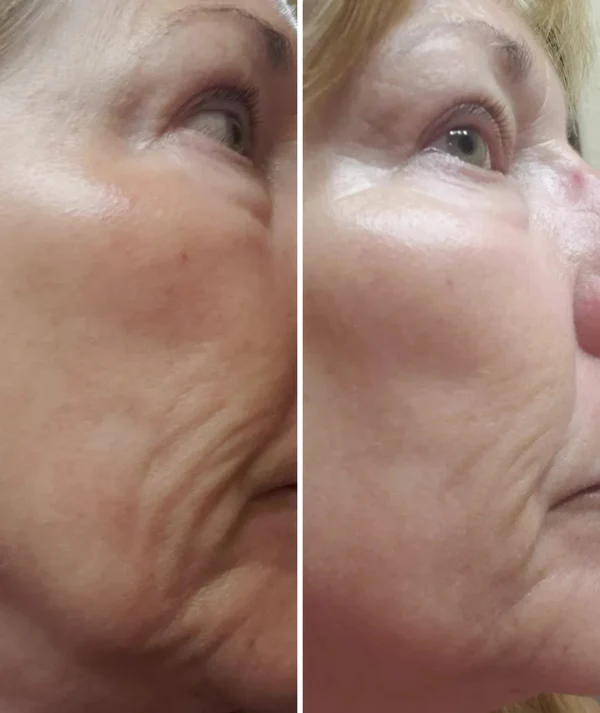
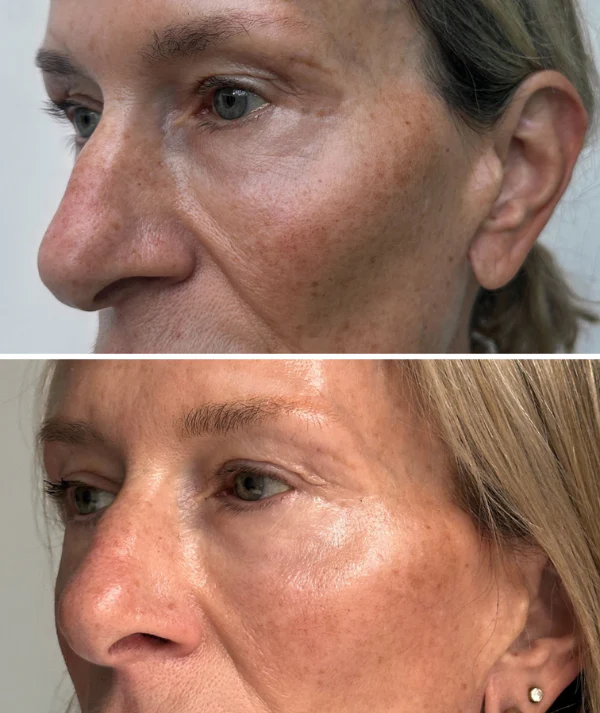
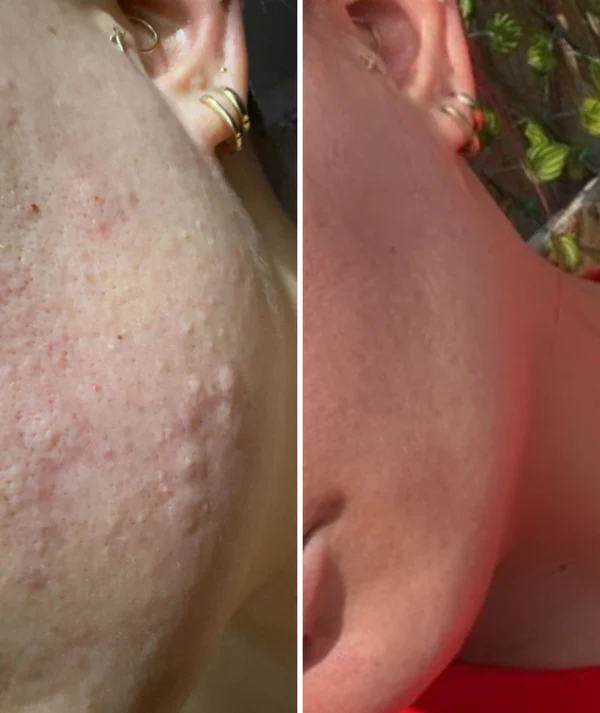

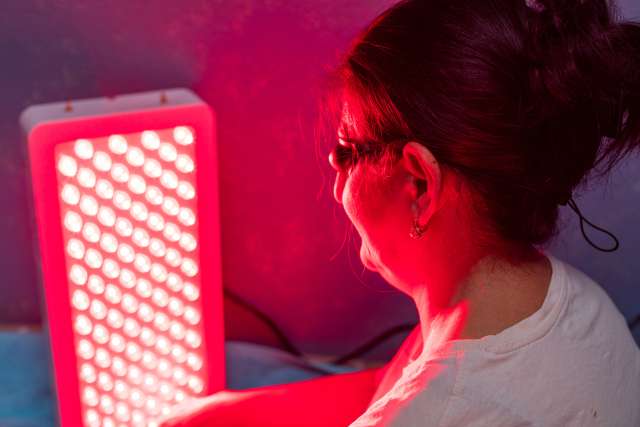
As light-based skincare becomes increasingly popular, terms such as red light therapy, LED therapy, photobiomodulation and near-infrared therapy are appearing more frequently across professional beauty clinics and consumer skincare products.
This can make understanding red light therapy vs LED light therapy unnecessarily confusing.
Are they completely different technologies? Is all LED therapy red light therapy? Does a multi-colour LED system provide something different from a dedicated red light treatment? And which approach should a UK beauty clinic consider when building its treatment menu?
In reality, the terms overlap considerably, but they do not always describe exactly the same thing, red light therapy vs LED light.
Understanding the distinction helps practitioners explain treatments more clearly, compare professional equipment properly and avoid choosing devices based solely on marketing terminology.
What Is LED Light Therapy?
LED stands for Light Emitting Diode.
LED light therapy uses light-emitting diodes to produce specific wavelengths of light that are directed towards the skin.
Professional LED systems may include several wavelength ranges depending on their intended applications, red light therapy vs LED light.
These can include:
- Red light
- Blue light
- Near-infrared light
- Other visible wavelengths depending on the device
This means LED light therapy describes the technology used to generate and deliver the light rather than one specific colour or wavelength.
A clinic can therefore own an LED device capable of producing red light, blue light, near-infrared light or a combination of wavelengths.
Our guide to LED Light Therapy for Skin Rejuvenation explains how professional clinics can incorporate this technology into broader skincare programmes.
What Is Red Light Therapy?
Red light therapy refers more specifically to treatment using wavelengths within the red portion of the light spectrum.
In professional skincare equipment, red wavelengths around approximately 630–660 nm are commonly used, although exact specifications vary between systems.
Some red light therapy devices also incorporate near-infrared wavelengths such as approximately 830 or 850 nm.
The important point is this:
Red light therapy can be delivered using LEDs.
Therefore, when discussing red light therapy vs LED light therapy, the two are not necessarily competing technologies, red light therapy vs LED light
Red light therapy is often one type of LED light therapy.
Red Light Therapy vs LED Light Therapy Explained Simply
A useful way to understand the difference is:
LED light therapy = the broader technology category.
Red light therapy = a treatment category defined primarily by the wavelength of light being used.
For example, a professional LED system could contain:
- 630 nm red LEDs
- 660 nm red LEDs
- 830 nm near-infrared LEDs
- 850 nm near-infrared LEDs
- Blue LEDs
If the practitioner selects only red wavelengths, the treatment may reasonably be described as red light therapy, LED light therapy treatment.
If multiple wavelengths are available, the equipment may be marketed more broadly as an LED light therapy system.
This distinction becomes particularly important when comparing professional equipment.
Why Wavelength Matters More Than Marketing Names
When clinics compare professional light therapy equipment, the product name alone provides limited information.
Two machines both advertised as “professional LED therapy” may deliver completely different wavelengths.
Similarly, two products described as “red light therapy devices” can have different specifications.
Clinic owners should therefore investigate:
- Exact wavelengths
- Number and distribution of LEDs
- Treatment coverage
- Irradiance
- Treatment distance
- Exposure time
- Intended professional applications
- Manufacturer protocols
Understanding these specifications is considerably more useful than comparing devices simply according to the colours shown in advertising.
Red Light for Skin Rejuvenation
Red wavelengths are widely associated with professional skin rejuvenation programmes, LED light therapy treatment
Beauty clinics may incorporate red light treatments into services designed around:
- Ageing skin
- General complexion improvement
- Skin appearance
- Facial rejuvenation
- Maintenance programmes
Clients interested in non-invasive anti-ageing treatments are particularly likely to encounter red light therapy during their research.
Our guide to Anti-Ageing Treatments That Actually Work explains how light therapy can fit alongside technologies such as radio frequency and RF microneedling.
What About Near-Infrared Light?
Near-infrared light is another important part of the discussion.
Unlike visible red light, near-infrared wavelengths cannot normally be seen by the human eye.
Professional light therapy systems may combine visible red light with near-infrared wavelengths.
For example, equipment could combine:
- 630 nm red
- 660 nm red
- 830 nm near-infrared
- 850 nm near-infrared
However, clinics should never assume that a device includes near-infrared technology simply because it is described as a red light therapy system.
Check the actual specifications, LED light therapy treatment.
What Is Blue LED Light Therapy?
Blue light demonstrates why LED therapy is a broader term than red light therapy.
Professional LED systems may include blue wavelengths for treatment programmes targeting blemish-prone skin.
Therefore, a device capable of producing blue light is an LED light therapy device, but that particular treatment would not normally be described as red light therapy.
Multi-wavelength equipment can offer clinics greater flexibility when treating clients with different skincare concerns, red light therapy benefits.
Red Light Therapy Panels vs LED Face Masks
Another area of confusion involves equipment format.
Both panels and masks can use LEDs.
Light Therapy Panels
Professional Light Therapy Panels provide a broad treatment surface containing multiple LEDs.
Depending on their design, panels can offer:
- Flexible positioning
- Larger treatment coverage
- Facial applications
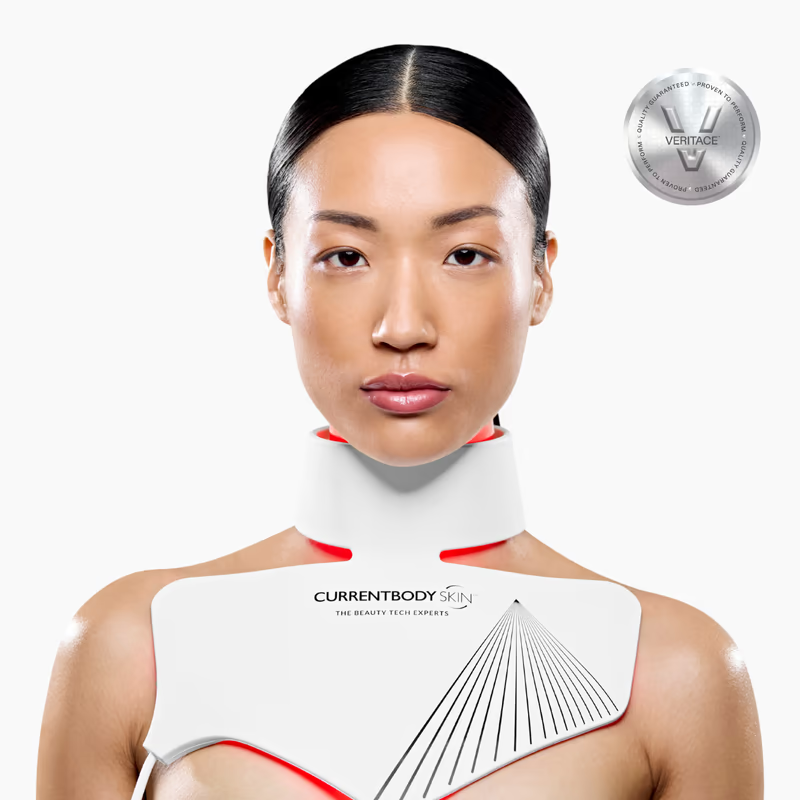
- Neck or wider-area treatments
- Red and near-infrared combinations
Our LED Light Therapy Panels UK – Professional Clinic Buying Guide explains how to compare panel specifications without competing with the commercial Light Therapy Panels product page, red light therapy benefits.
LED Face Masks
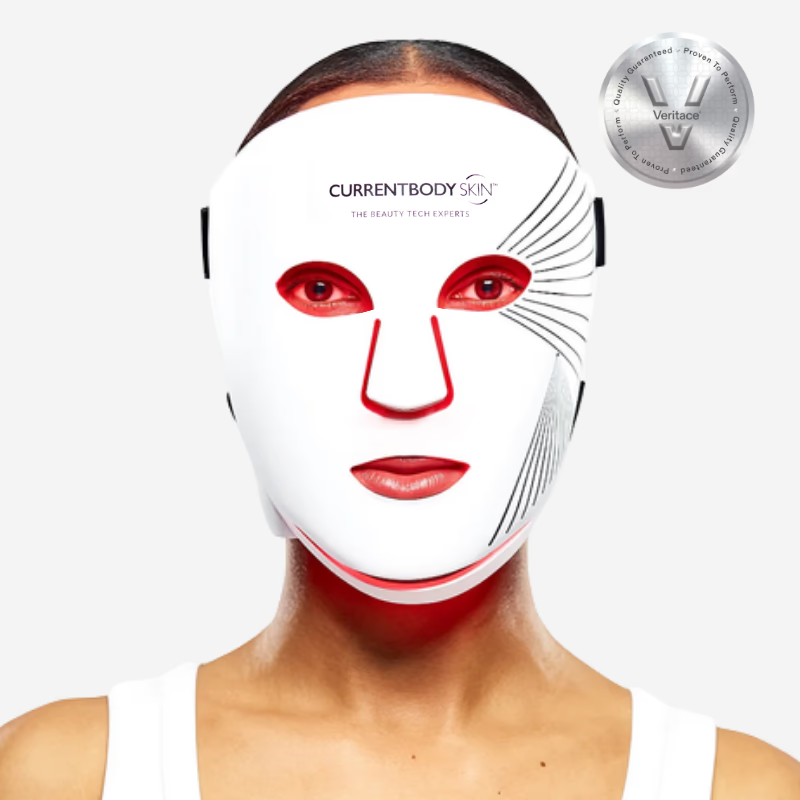
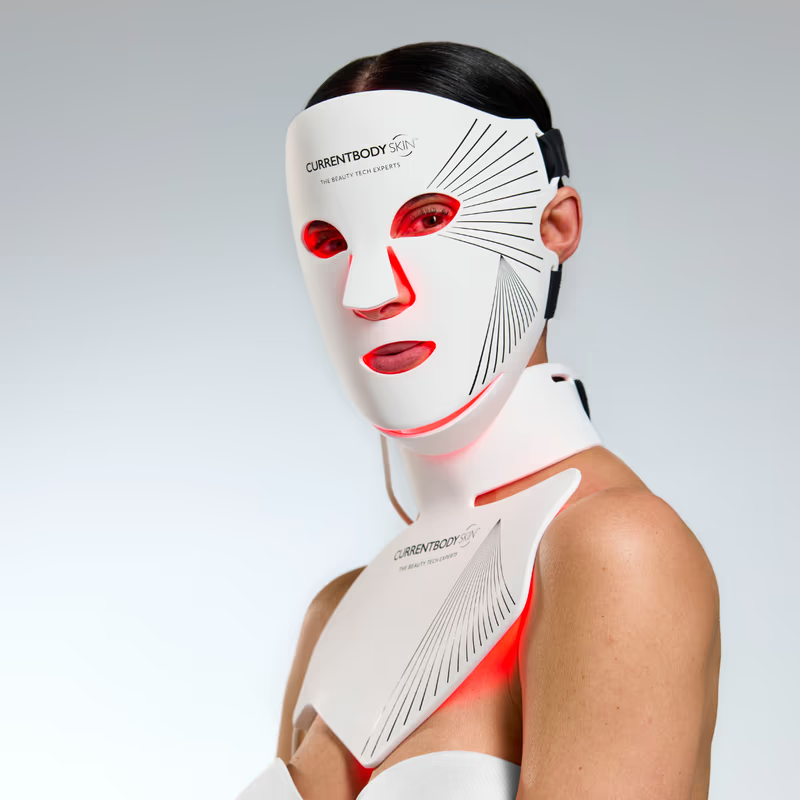
Professional LED Face Masks position LEDs around the facial treatment area.
They may offer:
- Targeted facial coverage
- Compact equipment design
- Red light modes
- Multi-wavelength programmes
- Convenient facial treatment integration
The better format depends on the clinic’s treatment strategy rather than one format being universally superior.
Does More LED Colours Mean Better Treatment?
Not necessarily.
A device advertising seven colours may appear more advanced than one offering only red and near-infrared wavelengths, but the number of colours alone does not determine quality, red light therapy benefits.
Instead, ask:
- What exact wavelength does each colour represent?
- Why is that wavelength included?
- What is the irradiance?
- How evenly is light distributed?
- What treatment protocols are supported?
- Is the equipment designed for professional use?
This is an important consideration when comparing red light therapy vs LED light therapy equipment.
Technical suitability should take priority over the number of modes listed on the product page.
Understanding Irradiance and Treatment Dose
Wavelength is important, but it is not the only specification that matters.
Another term clinics frequently encounter is irradiance.
Irradiance refers to the amount of light power delivered over an area and is commonly measured in mW/cm².
However, treatment dose is influenced by several factors, including:
- Irradiance
- Treatment duration
- Distance from the device
- Wavelength
- Treatment area
For this reason, simply choosing the machine with the highest advertised irradiance is not necessarily the best strategy.
Professional treatment protocols should take the complete system into account.
Which Type of Light Therapy Should a Beauty Clinic Choose?
There is no universal answer.
A clinic primarily focused on rejuvenation may prioritise red and near-infrared wavelengths.
A clinic treating clients with several different concerns may prefer a multi-wavelength LED system.
Consider your:
Target Clients
What concerns generate the most appointments?
Treatment Menu
Will LED therapy be offered independently or as part of another facial?
Treatment Areas
Will you treat only the face, or also the neck and wider areas?
Available Space
A large panel may require more room than a compact mask.
Budget
Calculate equipment cost against realistic treatment demand.
Our Best LED Light Therapy Machine for Beauty Clinics guide explores these purchasing considerations in more detail, red light therapy benefits.
Combining Light Therapy with Radio Frequency
Professional clinics increasingly build treatment programmes around multiple complementary technologies.
Radio Frequency is commonly incorporated into services focused on skin firmness and rejuvenation.
LED therapy operates differently, allowing clinics to create broader treatment menus rather than relying on a single technology.
Read our Radio Frequency Skin Tightening UK guide to understand how RF treatments differ from light-based treatments.
Combining LED Therapy with RF Microneedling
Another advanced clinic technology is RF Microneedling.
RF microneedling combines controlled microneedling with radio frequency energy and is fundamentally different from LED therapy.
Clinics may offer both technologies to address different treatment objectives.
Our RF Microneedling UK – Benefits, Results and Professional Clinic Guide explains how this technology works and what practitioners should consider before investing.
Treatment combinations and timing should always follow appropriate professional protocols, red light therapy benefits.
Common Mistakes When Comparing Light Therapy Equipment
Avoid these common mistakes:
- Assuming red light and LED therapy are completely separate technologies
- Choosing equipment based on colour count
- Ignoring wavelength specifications
- Assuming every red light device contains near-infrared LEDs
- Comparing irradiance without considering treatment distance
- Choosing solely on price
- Believing higher power automatically means better equipment
- Ignoring treatment coverage
- Buying before understanding client demand
- Relying entirely on marketing claims
Professional equipment decisions should be based on treatment strategy and technical specifications.
Continue Learning
Continue exploring the RedLightBeautyTech.com professional skincare and equipment guides:
👉 LED Light Therapy Panels UK – Professional Clinic Buying Guide
👉 Professional LED Face Masks UK – Complete Clinic Buying Guide
👉 Best LED Light Therapy Machine for Beauty Clinics
👉 LED Light Therapy for Skin Rejuvenation
👉 LED Light Therapy Before and After Guide
👉 Anti-Ageing Treatments That Actually Work
👉 Radio Frequency Skin Tightening UK
👉 RF Microneedling UK – Benefits, Results and Professional Clinic Guide
👉 Professional Beauty Machines UK – Complete Guide for Modern Aesthetic Clinics
👉 Medical Spa Equipment Buying Guide
👉 Beauty Equipment Suppliers UK – Complete Buying Guide for Clinics
👉 Beauty Salon Equipment Checklist – Essential Machines Every UK Clinic Needs
👉 How to Start a Beauty Clinic in the UK
👉 Aesthetic Equipment Manufacturer – How to Choose the Right Partner for Your Beauty Clinic
This internal structure allows informational articles to support your commercial equipment pages without unnecessarily targeting the same primary keywords.
Authority Resource
For independent information about dermatological phototherapy and skin treatments, visit the British Association of Dermatologists:
Final Thoughts
Understanding red light therapy vs LED light therapy is easier once the terminology is separated correctly.
LED describes the technology used to generate light, while red light therapy describes treatment using wavelengths within the red portion of the spectrum. As a result, many professional red light therapy systems are also LED light therapy devices, red light therapy benefits.
For UK beauty clinics, the more important question is not what the machine is called but what it actually delivers.
Wavelengths, irradiance, treatment coverage, equipment quality, intended applications and professional support should all be considered when comparing systems.
By understanding these differences, practitioners can select equipment more confidently, communicate treatments more clearly to clients and create light therapy services that complement technologies such as radio frequency and RF microneedling.
Frequently Asked Questions
Is red light therapy the same as LED light therapy?
Not exactly. LED light therapy is a broader technology category that can include several wavelengths. Red light therapy specifically refers to treatment using red wavelengths, which are often produced by LEDs.
Is all LED light therapy red light therapy?
No. LED systems can produce red, blue, near-infrared and other wavelengths. Therefore, red light therapy can be a form of LED therapy, but not all LED therapy uses red light.
What wavelength is commonly used for red light therapy?
Professional skincare systems frequently use red wavelengths around approximately 630–660 nm. Some systems combine these with near-infrared wavelengths such as approximately 830–850 nm.
Is an LED face mask better than a red light therapy panel?
Neither is automatically better. Masks provide targeted facial coverage, while panels can offer flexible positioning and broader treatment areas. The appropriate choice depends on the clinic’s services.
What should beauty clinics check before buying light therapy equipment?
Clinics should compare wavelengths, irradiance, treatment distance, coverage, commercial suitability, manufacturer guidance, training, warranty and technical support rather than choosing equipment based only on price or the number of colours.