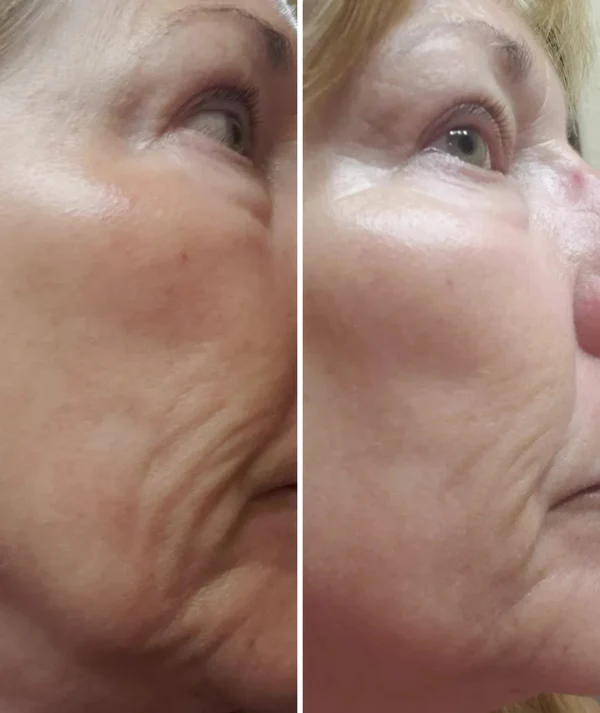
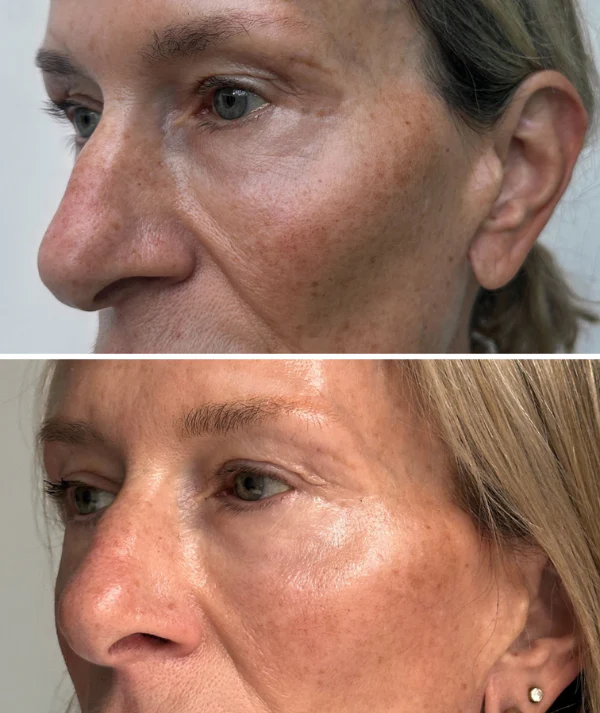
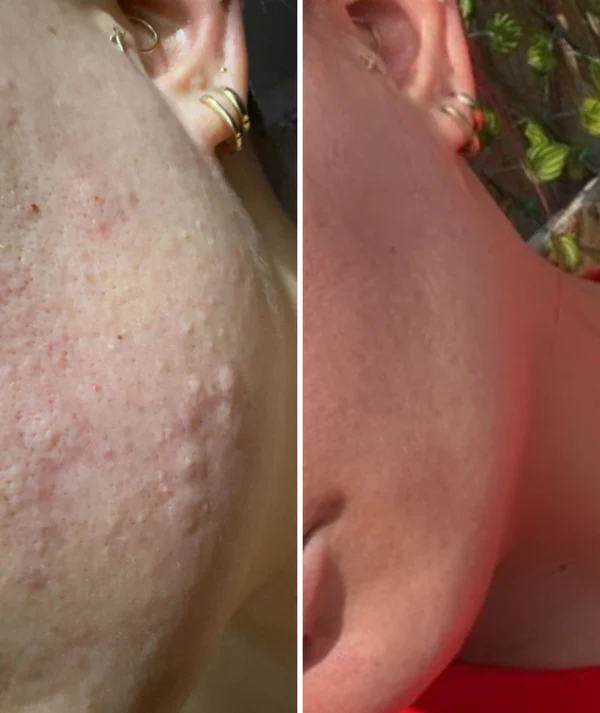


Demand for non-surgical aesthetic treatments continues to shape modern beauty and skincare services. Many clients want to improve the appearance of ageing skin, reduced firmness, fine lines or uneven texture without immediately considering surgical procedures.
This has increased interest in professional skin tightening treatments.
Beauty and aesthetic clinics now have access to several technologies, including radio frequency, RF microneedling and complementary LED light therapy. However, these treatments work differently and should not be presented as interchangeable solutions.
For clinic owners, understanding these differences is important before investing in equipment or creating treatment packages.
For clients, knowing what each technology is designed to do can make it easier to approach a consultation with realistic expectations.
This guide compares popular non-surgical options, explains how professional technologies differ and explores what UK clinics should consider when building a skin rejuvenation service.
What Are Non-Surgical Skin Tightening Treatments?
Non-surgical treatments use aesthetic technologies without performing surgical lifting procedures.
Depending on the technology, treatments may focus on the appearance of:
- Reduced skin firmness
- Fine lines
- Facial ageing
- Skin texture
- Jawline concerns
- Neck ageing
- General skin quality
Professional skin tightening treatments should not be marketed as replacements for surgical procedures.
Instead, they can provide options for clients seeking less invasive approaches to skin rejuvenation.
The appropriate treatment depends on the client’s concerns, skin condition, expectations and suitability.
Why Does Skin Lose Firmness?
Skin changes naturally with age.
Collagen and elastin contribute to its structure and elasticity. Over time, natural changes in these components can affect how firm and smooth the skin appears.
Other factors can also influence visible ageing, including:
- Sun exposure
- Genetics
- Lifestyle
- Smoking
- Environmental exposure
- Weight changes
- Skincare habits
Different clients therefore experience ageing differently.
This is one reason clinics should avoid recommending identical skin tightening treatments to every person without an appropriate consultation.
Radio Frequency Skin Tightening
Radio frequency is one of the best-known technologies used within non-surgical rejuvenation services.
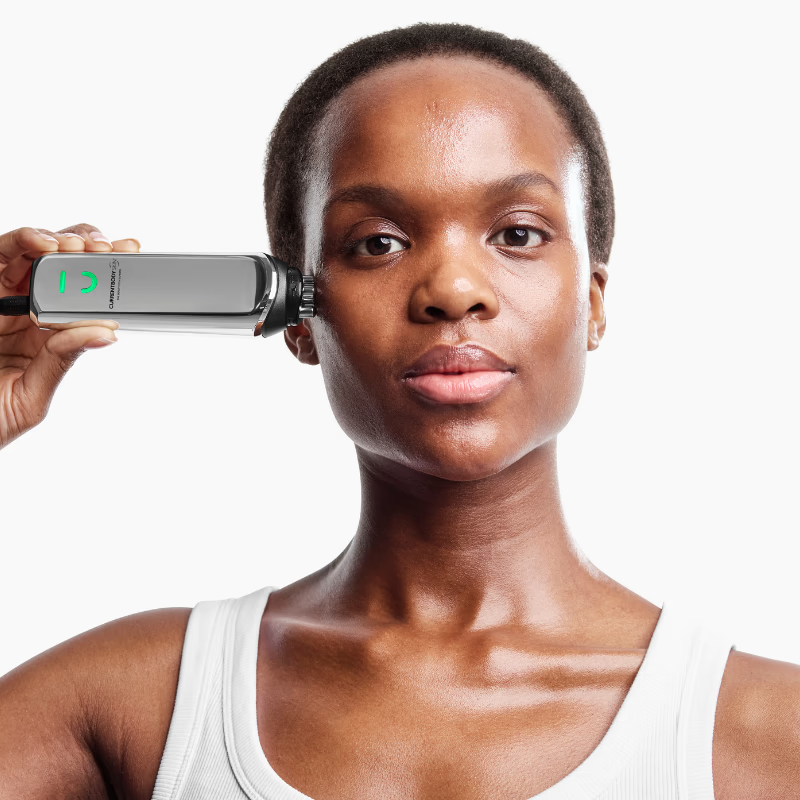
Professional Radio Frequency equipment delivers RF energy to targeted tissue, producing controlled heating according to the equipment and treatment protocol.
RF treatments are commonly incorporated into programmes focused on skin firmness and facial rejuvenation.
Potential advantages can include:
- Non-surgical treatment
- No incisions
- Facial applications
- Neck applications
- Flexible treatment programmes
- Compatibility with wider rejuvenation services
For clinics researching this technology, our Radio Frequency Skin Tightening UK – Complete Professional Clinic Guide provides a more detailed explanation, skin tightening treatments.
How Does Radio Frequency Work?
RF equipment does not use LED light.
Instead, radio frequency technology delivers electromagnetic energy that creates controlled thermal effects within targeted tissue.
This heating is why RF is frequently associated with collagen-related rejuvenation programmes.
Treatment parameters depend on the professional system being used.
Practitioners should understand:
- Energy settings
- Treatment temperature
- Treatment duration
- Applicator movement
- Treatment areas
- Contraindications
- Manufacturer protocols
When comparing skin tightening treatments, understanding the technology itself is more useful than relying on terms such as “lifting machine” or “anti-ageing device”.
RF Microneedling for Skin Firmness and Texture
RF microneedling combines two technologies.
It uses controlled microneedling together with radio frequency energy.
Specialised needles enter the skin at selected depths while RF energy is delivered according to the device and treatment protocol.
Professional RF Microneedling may be considered for clients concerned about areas such as:
- Skin texture
- Fine lines
- Visible ageing
- Skin firmness
- Certain types of scarring
Because it is more invasive than standard external RF treatment, practitioner training, hygiene, client selection and aftercare become particularly important.
Our RF Microneedling UK – Benefits, Results and Professional Clinic Guide explores these considerations in more detail.
RF Skin Tightening vs RF Microneedling
These treatments are sometimes confused because both use radio frequency energy.
However, they are not the same.
Standard Radio Frequency
Traditional professional RF treatments deliver energy without microneedles entering the skin.
They are commonly selected for non-invasive rejuvenation and firmness-focused services.
RF Microneedling
RF microneedling uses needles to deliver treatment at controlled depths.
It may therefore be selected when the treatment strategy also involves concerns around texture or more advanced rejuvenation.
When comparing skin tightening treatments, clinics should consider the client’s actual concerns rather than assuming the more advanced or expensive technology is automatically the best choice.
Can LED Light Therapy Tighten Skin?
LED light therapy should be positioned carefully within this topic.
Professional LED therapy is different from RF-based tightening technology.
Red and near-infrared wavelengths are commonly incorporated into programmes focused on skin rejuvenation and general skin appearance.
LED can therefore complement an anti-ageing treatment menu, but clinics should avoid presenting an LED device as though it works identically to radio frequency.
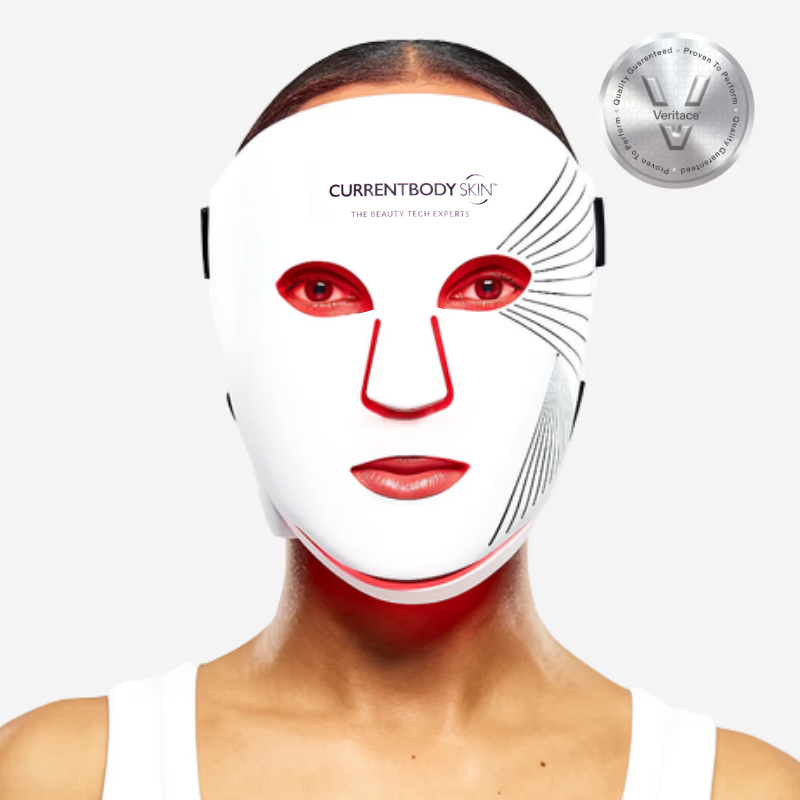
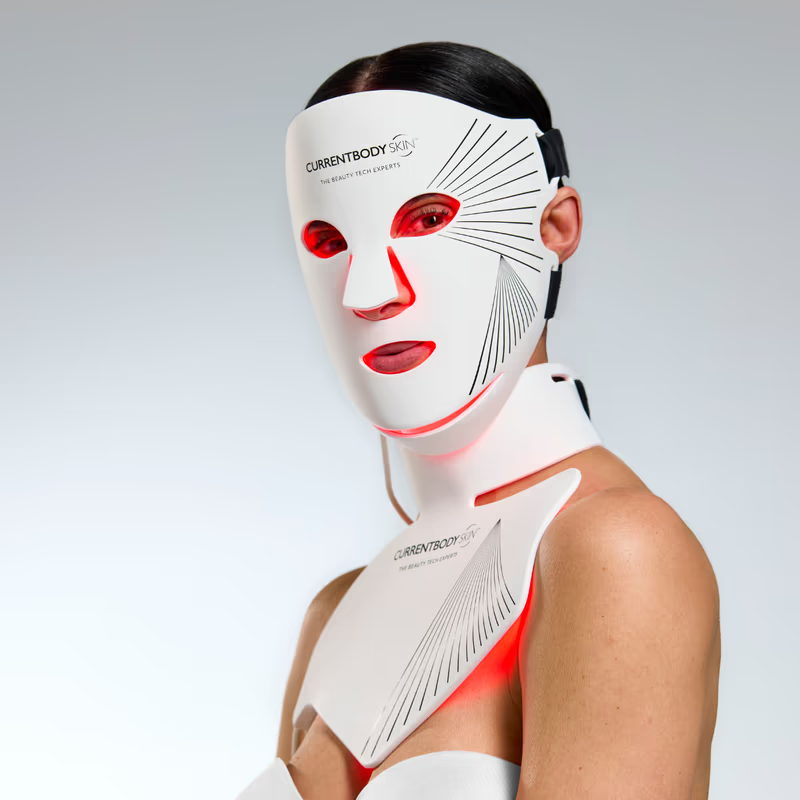
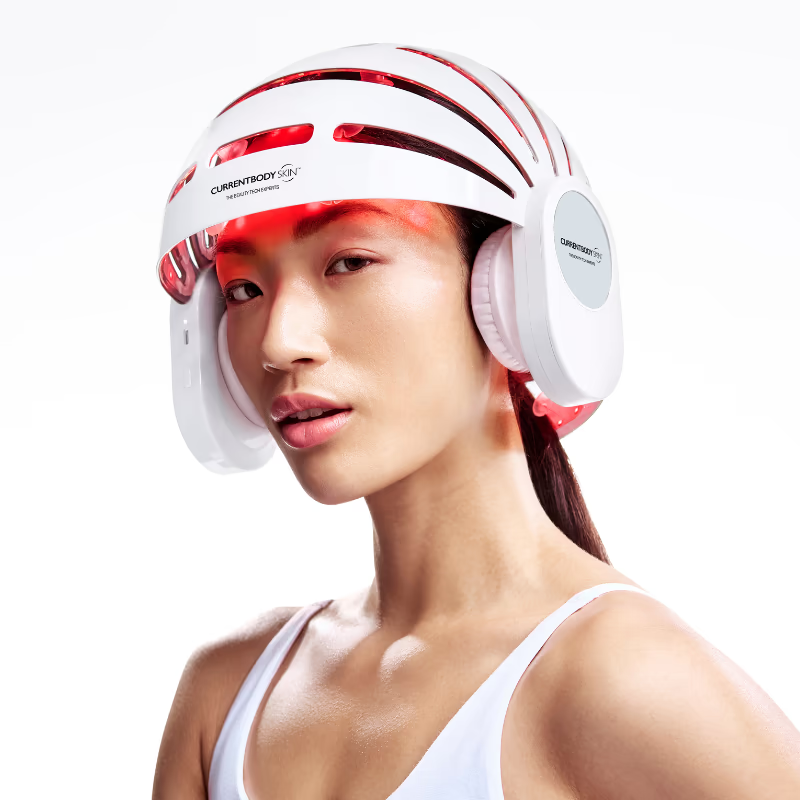
Professional Light Therapy Panels and LED Face Masks can provide different formats for delivering light-based treatments.
Our LED Light Therapy for Skin Rejuvenation guide explains this technology separately.
LED Therapy vs Radio Frequency
This is an important comparison for clients researching non-surgical rejuvenation.
LED therapy uses selected wavelengths of light.
Radio frequency uses RF energy and controlled heating.
Their treatment mechanisms are different.
A clinic may offer both because they can serve different purposes within a wider skincare programme.
For example, a business could provide:
- LED rejuvenation facials
- RF facial treatments
- RF neck treatments
- RF microneedling
- Maintenance skincare programmes
This is more useful than trying to market every machine as performing exactly the same function.
Which Treatment Is Best for the Face?
There is no universal “best” treatment for every face.
The appropriate option depends on what the client wants to address.
For example, someone primarily concerned about general rejuvenation may have different needs from someone concerned about skin texture or reduced firmness.
A professional consultation should consider:
- Age
- Skin condition
- Main concern
- Treatment history
- Expectations
- Suitability
- Available downtime
- Budget
Clinics offering several skin tightening treatments can use consultation to select a suitable approach rather than trying to sell the same treatment to every client.
What About Loose Skin Around the Jawline?
The jawline is a common area of concern as facial appearance changes with age.
Radio frequency may be incorporated into non-surgical programmes targeting the appearance of skin firmness around the lower face and jawline.
However, the degree of laxity matters.
Clients with more significant concerns should receive realistic information about what non-surgical aesthetic technology can and cannot achieve.
Avoid promising dramatic “face lift” results from equipment that is not intended to provide surgical outcomes.
Skin Tightening Treatments for the Neck
The neck is another area where clients frequently notice visible ageing.
Fine lines, texture changes and reduced firmness can make the neck appear different from the face.
Professional neck programmes may incorporate:
- Radio frequency
- RF microneedling where suitable
- LED therapy as part of wider rejuvenation
- Professional skincare
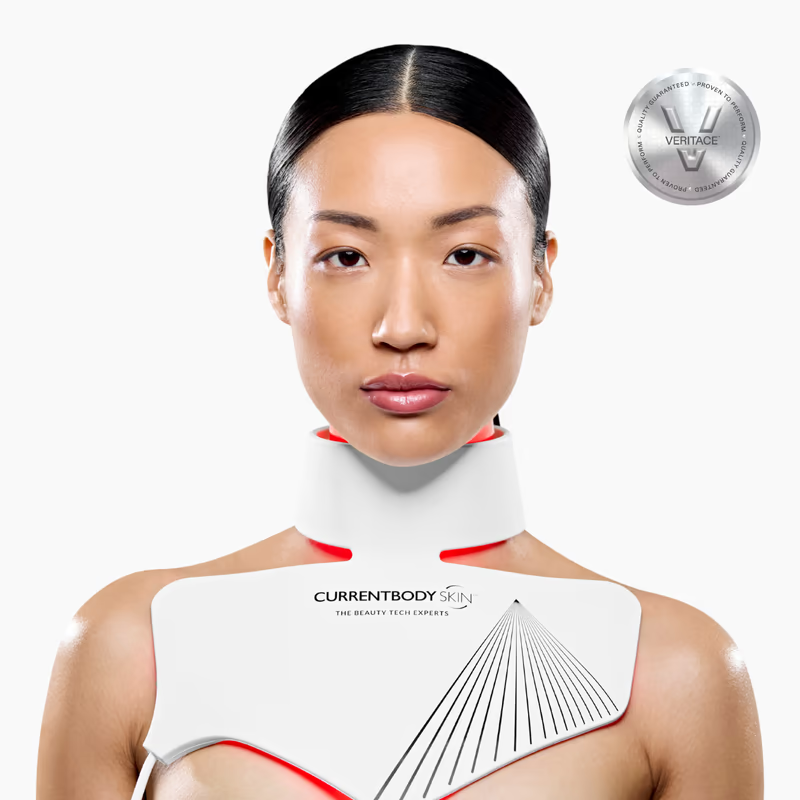
A dedicated Neck Skin Tightening Device may also help clinics expand their treatment menu beyond facial services.
Read our Neck Skin Tightening Treatments UK – Professional Clinic Guide for a detailed discussion of this area.
What Results Should Clients Expect?
Realistic expectations are essential.
Non-surgical skin tightening treatments should not be promoted as producing the same results as surgical lifting procedures.
Results can vary depending on:
- Client age
- Skin condition
- Degree of laxity
- Technology
- Treatment parameters
- Number of sessions
- Individual response
- Lifestyle
Some treatment programmes are designed around gradual changes rather than one dramatic appointment.
Clinics should explain this during consultation rather than relying on exaggerated before-and-after promises.
How Many Treatments May Be Needed?
There is no single number appropriate for every client.
Treatment courses vary according to:
- Technology
- Equipment
- Treatment objective
- Client response
- Practitioner assessment
- Manufacturer protocol
Some clients may undergo a course followed by maintenance appointments.
Others may have different treatment plans.
This is why clinics should avoid advertising a universal number of sessions as though it guarantees a particular result.
Is There Downtime?
Downtime depends heavily on the treatment.
Non-invasive radio frequency treatments may have different post-treatment expectations from RF microneedling.
RF microneedling creates controlled micro-channels in the skin, so its treatment experience and aftercare requirements are different.
Clients should receive clear information about:
- Expected skin response
- Aftercare
- Activities to avoid
- Skincare recommendations
- When to contact the practitioner
Professional consultation should always form part of advanced treatment planning.
Can Different Treatments Be Combined?
Modern aesthetic clinics often create programmes involving more than one technology.
For example, depending on suitability and professional protocols, a clinic’s overall menu may contain:
- Radio frequency
- RF microneedling
- LED light therapy
- Professional facials
- Neck rejuvenation
- Home skincare recommendations
Combination does not mean every treatment should be performed during the same appointment.
The practitioner should determine appropriate timing and treatment sequencing.
A strong programme gives each technology a clear purpose.
Choosing the Right Equipment for Your Clinic
Clinic owners should avoid purchasing machines based only on trending treatment names.
Before investing, consider:
Client Demand
What concerns are your existing clients actually asking about?
Treatment Versatility
Can the equipment support several relevant services?
Training
Does the supplier provide appropriate practitioner education?
Technical Specifications
Understand how the equipment works rather than relying on promotional language.
Warranty and Support
Professional equipment may require maintenance or technical assistance.
Treatment Cost
Calculate consumables, practitioner time and other ongoing expenses.
Our Professional Beauty Machines UK – Complete Guide for Modern Aesthetic Clinics provides a wider framework for comparing equipment.
How Clinics Can Build a Treatment Menu
Rather than buying isolated machines, clinics can organise treatments around client concerns.
For example:
Skin Firmness
Radio frequency may form part of the treatment menu.
Texture and Advanced Rejuvenation
RF microneedling may be considered where appropriate.
General Skin Rejuvenation
LED light therapy may complement other services.
Neck Concerns
Dedicated face and neck programmes can expand the treatment area.
This structure makes it easier for clients to understand why different technologies exist.
Are Expensive Machines Always Better?
No.
Price alone does not determine treatment quality.
Before investing in equipment for skin tightening treatments, compare:
- Technology
- Technical specifications
- Intended applications
- Build quality
- Practitioner controls
- Training
- Warranty
- Technical support
- Consumable costs
- Manufacturer reputation
A lower-cost machine without dependable support can become more expensive if faults or replacement-part problems interrupt clinic services.
Our Beauty Equipment Suppliers UK – Complete Buying Guide for Clinics explains how to evaluate suppliers more carefully.
Common Mistakes Clinics Should Avoid
Avoid these mistakes when developing a skin tightening service:
- Promising surgical-level results
- Purchasing equipment without researching demand
- Choosing machines based only on price
- Using the same protocol for every client
- Ignoring contraindications
- Failing to provide practitioner training
- Making guaranteed collagen claims
- Ignoring aftercare
- Buying from suppliers without technical support
- Treating LED, RF and RF microneedling as identical technologies
Clear positioning makes the treatment menu easier for clients to understand.
Continue Learning
Continue exploring professional aesthetic technologies with these RedLightBeautyTech.com guides:
👉 LED Light Therapy Frequency – How Often Should You Use It?
👉 Red Light Therapy vs LED Light Therapy – What Is the Difference?
👉 LED Light Therapy Before and After Guide
👉 LED Light Therapy for Skin Rejuvenation
👉 Best LED Light Therapy Machine for Beauty Clinics
👉 LED Light Therapy Panels UK – Professional Clinic Buying Guide
👉 Professional LED Face Masks UK – Complete Clinic Buying Guide
👉 Anti-Ageing Treatments That Actually Work
👉 Radio Frequency Skin Tightening UK – Complete Professional Clinic Guide
👉 RF Microneedling UK – Benefits, Results and Professional Clinic Guide
👉 Neck Skin Tightening Treatments UK – Professional Clinic Guide
👉 Professional Beauty Machines UK – Complete Guide for Modern Aesthetic Clinics
These guides allow visitors to move between treatment questions, technology comparisons and equipment research without forcing your product pages to compete for the same informational searches.
Authority Resource
For independent information about cosmetic procedures and factors patients should consider before undergoing treatment, refer to the NHS guidance on cosmetic procedures.
Final Thoughts
Modern beauty clinics have access to several professional skin tightening treatments, but choosing the right option requires understanding what each technology actually does.
Radio frequency provides a non-invasive approach commonly incorporated into firmness-focused programmes. RF microneedling combines controlled microneedling with RF energy and may be selected for more advanced rejuvenation concerns. LED light therapy works differently and can complement broader skincare programmes rather than being treated as identical to RF technology.
There is no single machine that is automatically best for every client.
Clinics should build treatment programmes around individual concerns, realistic expectations, practitioner expertise and reliable professional equipment.
From an SEO perspective, this topic also supports your commercial pages without copying their primary keywords. Visitors researching their treatment options can first learn about the available technologies and then move naturally towards your Radio Frequency, RF Microneedling, LED and neck-treatment equipment pages.
That creates a stronger relationship between informational content and commercial pages while keeping their search intent clearly separated.
Frequently Asked Questions
What are the best non-surgical skin tightening treatments?
Radio frequency and RF microneedling are two technologies commonly incorporated into professional rejuvenation programmes. The appropriate option depends on the client’s concerns, skin condition, suitability and treatment expectations.
Is radio frequency good for loose-looking skin?
Professional radio frequency treatments are commonly used in programmes focused on the appearance of skin firmness. Individual outcomes vary, so clients should receive an appropriate consultation before treatment.
What is the difference between RF and RF microneedling?
Standard RF delivers radio frequency energy without microneedles entering the skin. RF microneedling combines controlled needling with RF energy delivered according to the device and treatment settings.
Can LED light therapy tighten skin?
LED light therapy is different from RF-based tightening technologies. Red and near-infrared wavelengths may be incorporated into skin rejuvenation programmes, but clinics should not describe LED as though it works identically to radio frequency.
How do I choose between different skin tightening treatments?
The decision should consider the treatment concern, degree of skin laxity, desired outcome, downtime, medical and treatment history, suitability and professional practitioner assessment. No single technology is appropriate for every client.