

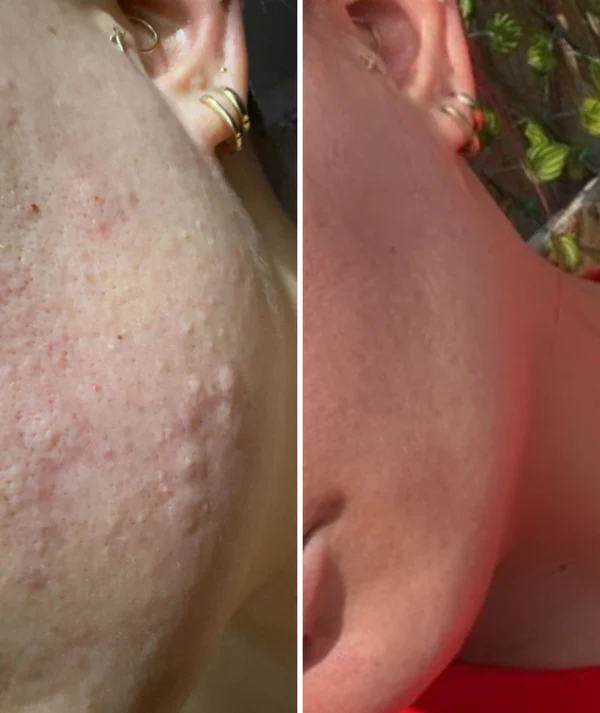


LED light therapy has become a popular non-invasive option within professional skincare. Beauty clinics increasingly incorporate red, blue and near-infrared wavelengths into programmes designed around skin rejuvenation, visible signs of ageing, blemish-prone skin and general complexion maintenance.
But clients considering their first treatment usually have one major question: when will they see LED therapy results?
The answer is not the same for everyone.
Some people may notice temporary changes in the appearance of their skin relatively quickly, while longer-term objectives normally require a structured treatment programme. Wavelength, equipment quality, treatment frequency, skin condition and individual response can all influence LED therapy results.
Understanding realistic timelines is therefore important for both clients and UK beauty professionals.
This guide explores what to expect from professional LED treatments, what can affect progress and why consistency often matters more than looking for dramatic overnight changes.
What Results Can LED Light Therapy Provide?
LED therapy uses selected wavelengths of light directed towards the skin.
Depending on the equipment and treatment objective, professional clinics may incorporate LED technology into programmes focused on:
- Skin rejuvenation
- General complexion appearance
- Visible signs of ageing
- Blemish-prone skin
- Skin maintenance
- Complementary facial treatments
However, LED therapy results should always be discussed realistically.
LED light therapy is not surgery and should not be marketed as an instant skin transformation.
Instead, professional LED treatments are generally better viewed as part of an ongoing skincare strategy.
Our LED Light Therapy for Skin Rejuvenation guide explains how the technology fits into professional facial programmes.
When Can You Expect LED Therapy Results?
There is no universal treatment timeline.
Some clients may feel that their skin looks refreshed following an appointment, but more meaningful changes may develop gradually over a series of treatments.
The speed of LED therapy results can depend on:
- Client age
- Skin condition
- Treatment objective
- Wavelength
- Treatment frequency
- Device specifications
- Irradiance
- Treatment duration
- Lifestyle
- Skincare routine
This is why professional consultation matters.
Two clients receiving similar treatments may not progress at exactly the same rate.
What Can Happen After the First LED Session?
Clients should not expect every skin concern to disappear after one treatment.
Following an initial professional session, some people may notice that their complexion appears temporarily refreshed or more radiant.
Others may see little obvious difference immediately.
Neither response necessarily determines the eventual LED therapy results from a complete treatment programme.
For concerns involving longer-term skin appearance, consistency may be more relevant than evaluating the treatment after a single appointment.
Clinics should communicate this before treatment begins.
LED Therapy Results After Several Sessions
Professional LED treatments are frequently structured as a course rather than a one-off service.
As appointments continue, practitioners can monitor the client’s response and determine whether the treatment programme remains appropriate.
Progress may involve subtle changes rather than a dramatic overnight transformation.
Depending on the treatment objective, practitioners may monitor:
- Overall skin appearance
- Texture
- Complexion
- Appearance of blemish-prone areas
- Visible signs of ageing
- Client-reported observations
When discussing LED therapy results, progress should ideally be assessed consistently rather than relying entirely on memory.
How Treatment Frequency Affects Results
Consistency is an important part of many LED programmes.
Random treatments separated by long periods may provide a different experience from a structured course recommended according to professional protocols.
However, more frequent exposure does not automatically mean better LED therapy results.
The correct schedule depends on the device and treatment objective.
Our LED Light Therapy Frequency – How Often Should You Use It? guide explains this topic in detail.
Professional clinics should follow appropriate equipment protocols, while people using home devices should follow the instructions supplied with their particular system.
Does Red Light Produce Faster Results?
Red wavelengths are commonly associated with skin rejuvenation programmes.
Professional devices frequently use red wavelengths in ranges around approximately 630–660 nm, although specifications differ between systems.
Some devices combine red wavelengths with near-infrared light.
The speed of LED therapy results cannot be predicted solely from the colour of the light.
Other factors matter, including:
- Irradiance
- Exposure time
- Treatment distance
- Wavelength accuracy
- Treatment consistency
- Individual skin response
Our Red Light Therapy vs LED Light Therapy guide explains why red light therapy and LED therapy overlap but should not always be treated as identical terms.
What About Blue LED Light?
Blue wavelengths may be incorporated into professional programmes for blemish-prone skin.
Because blue light and red light are used for different treatment objectives, clinics should not assume their treatment programmes or expected timelines will be identical.
The appropriate wavelength should be selected according to the client’s concerns and the intended applications of the equipment.
This is another reason LED therapy results should be evaluated according to the individual treatment rather than generic claims made about all LED devices.
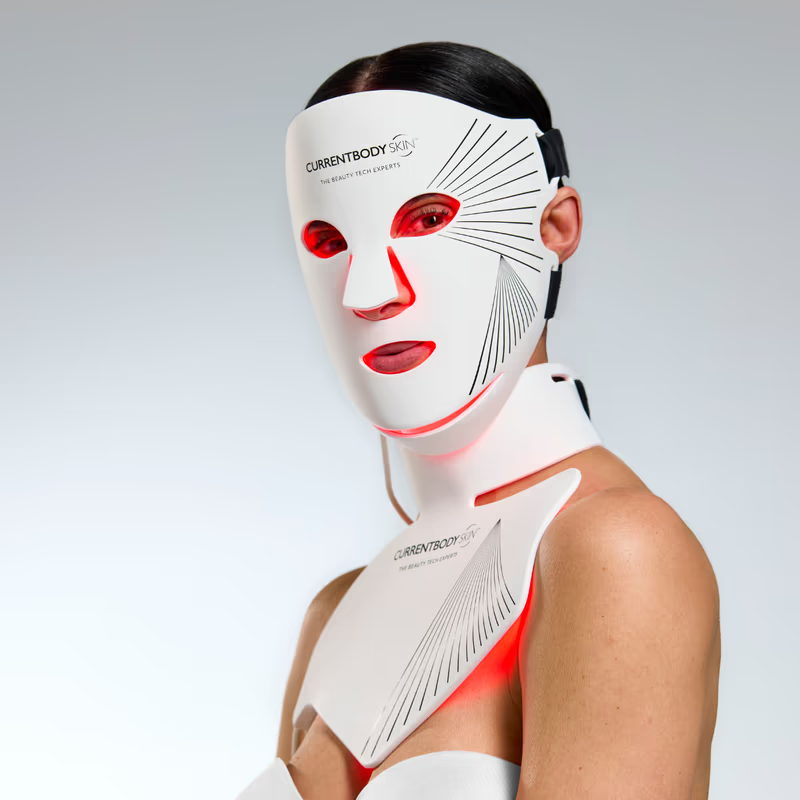
Do LED Face Masks Provide Different Results?
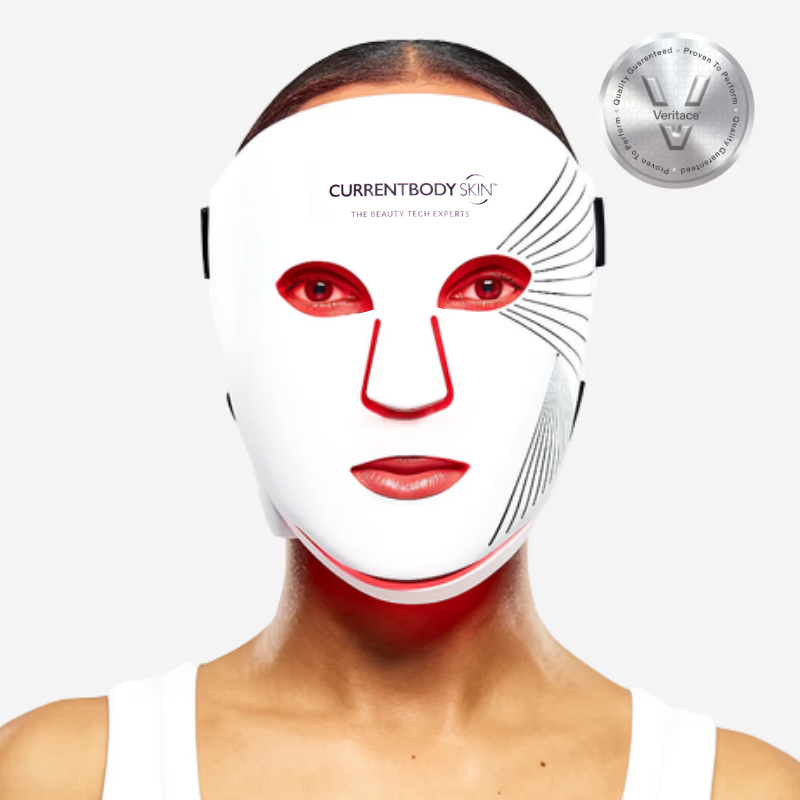
LED masks position multiple LEDs close to the facial treatment area.
Professional LED Face Masks can be convenient for clinics focused primarily on facial applications.
However, the equipment format alone does not guarantee better outcomes.
When evaluating potential LED therapy results, clinics should consider:
- Wavelengths
- Treatment coverage
- Irradiance
- Treatment duration
- Fit and positioning
- Manufacturer protocols
- Equipment quality
A well-designed professional device should be assessed according to its complete specifications.
What About Light Therapy Panels?
Professional Light Therapy Panels provide another method of delivering LED treatments.
Panels may offer advantages such as:
- Broader treatment coverage
- Flexible positioning
- Facial applications
- Neck applications
- Larger treatment areas
The distance between a panel and the client’s skin may form part of the treatment protocol.
For this reason, LED therapy results from different equipment should not be compared without considering how each device is designed to operate.
Clinics researching equipment can read our Best LED Light Therapy Machine for Beauty Clinics guide before choosing a system.
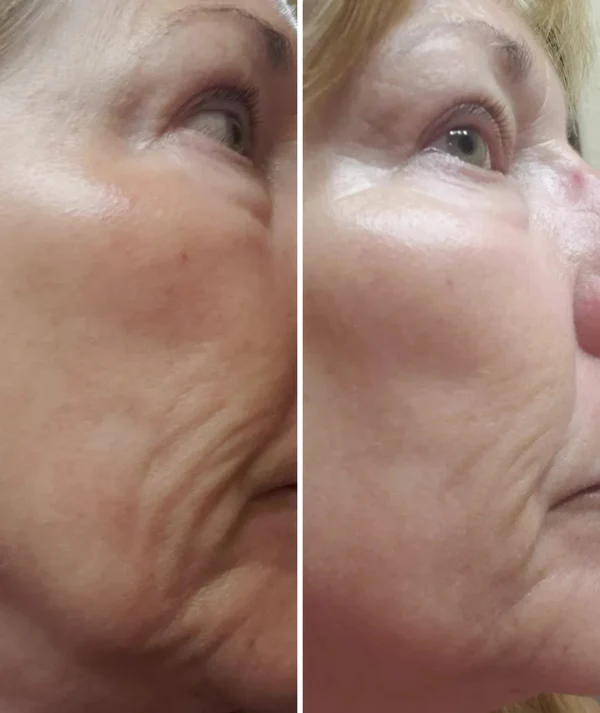
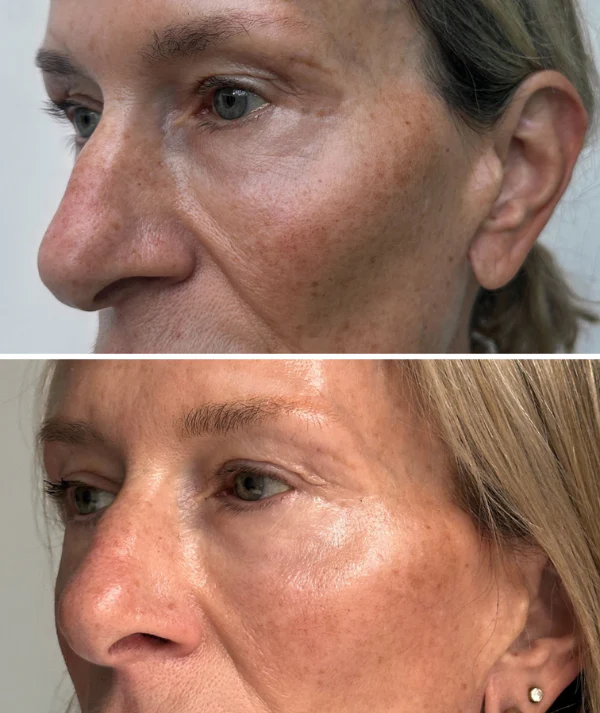
Why Before and After Photos Matter
Photographs can help clinics evaluate gradual progress.
However, before and after photography needs to be consistent.
Try to keep the following similar:
- Camera
- Lighting
- Distance
- Facial position
- Background
- Time of day where practical
- Makeup conditions
Changing lighting dramatically between photographs can make skin appear different even when little has changed.
Responsible clinics should use photographs to document genuine LED therapy results, not create misleading comparisons.
Our LED Light Therapy Before and After Guide explains how clients and practitioners can interpret treatment progress more realistically.
Factors That Can Influence LED Therapy Results
Several variables can influence treatment progress.
Skin Condition
Clients begin treatment with different skin types and concerns.
Age
Natural changes in the skin can affect how different clients respond.
Treatment Consistency
Following an appropriate treatment schedule may be important for achieving the intended programme.
Equipment Specifications
Professional LED systems vary considerably in wavelength, irradiance, coverage and design.
Treatment Distance
This is particularly relevant with panel systems.
Skincare Routine
A client’s wider skincare habits can influence the overall appearance of their skin.
Lifestyle
Sun exposure and other lifestyle factors can affect skin appearance independently of LED treatment.
These variables make guaranteed LED therapy results inappropriate.
LED Therapy for Anti-Ageing Programmes
Clients interested in visible signs of ageing are an important audience for professional LED treatments.
Red and near-infrared technologies may be incorporated into broader rejuvenation programmes alongside other aesthetic services.
Rather than promising that LED alone will reverse every sign of ageing, clinics can create comprehensive programmes based on individual concerns.
Our Anti-Ageing Treatments That Actually Work guide compares several non-surgical treatment approaches.
Setting realistic expectations about LED therapy results can improve client trust and reduce disappointment.
LED Therapy vs Radio Frequency Results
LED and radio frequency are different technologies.
Professional Radio Frequency equipment uses RF energy and controlled heating, while LED systems use selected wavelengths of light.
Radio frequency treatments are commonly incorporated into programmes focused on skin firmness.
LED treatments may focus on other aspects of skin rejuvenation and maintenance.
Because their mechanisms differ, LED therapy results should not be compared directly with RF outcomes as though the technologies were interchangeable.
Read our Radio Frequency Skin Tightening UK guide for a detailed explanation of professional RF treatment.
LED Therapy vs RF Microneedling Results
RF Microneedling combines controlled microneedling with radio frequency energy.
It is more invasive than standard LED exposure and may be incorporated into programmes for concerns such as texture, visible ageing and certain types of scarring.
LED therapy operates differently.
Therefore, clients should not expect identical treatment experiences, recovery or outcomes.
A clinic offering several technologies can select an appropriate treatment based on individual assessment rather than presenting one machine as the solution to every concern.
Our RF Microneedling UK guide explains this treatment category in greater detail.
Why Equipment Quality Matters
Not every LED system has identical specifications.
Two machines advertised using similar terms can vary in:
- Wavelength
- Irradiance
- LED distribution
- Treatment coverage
- Treatment distance
- Controls
- Build quality
These differences can affect how treatments are delivered and may ultimately influence LED therapy results.
Clinic owners should therefore research equipment specifications carefully rather than purchasing based only on product appearance or price.
Our Professional Beauty Machines UK guide provides a broader framework for evaluating aesthetic equipment.
How Clinics Should Explain Results to Clients
Good consultation can be as important as good equipment.
Practitioners should explain:
- What the treatment is intended to support
- Why a treatment course may be recommended
- How frequently appointments may occur
- When progress will be reviewed
- Why outcomes differ between individuals
- What maintenance may involve
Avoid phrases such as “guaranteed transformation” or promises of specific outcomes.
Clear communication about LED therapy results creates more realistic expectations and helps build long-term trust.
Common Mistakes When Judging LED Results
Avoid these mistakes:
- Judging an entire programme after one appointment
- Expecting instant permanent changes
- Comparing different LED devices as though they are identical
- Ignoring wavelength specifications
- Assuming higher irradiance always means better treatment
- Using inconsistent before and after photography
- Changing treatment schedules without appropriate guidance
- Comparing LED directly with invasive procedures
- Believing every client should progress at the same rate
- Trusting exaggerated online claims
Professional treatment decisions should be based on realistic expectations and appropriate protocols.
How Long Do LED Therapy Results Last?
This is another question without one universal answer.
Skin continues to change naturally over time.
Ageing, sun exposure, skincare habits and lifestyle continue regardless of professional treatments.
For this reason, some clients may move from an initial treatment course into maintenance appointments.
How long LED therapy results remain noticeable can vary according to the treatment objective, individual client and ongoing skincare programme.
LED should therefore be viewed as part of long-term skin maintenance rather than a permanent one-time solution.
Can Combining Treatments Improve a Clinic Programme?
Modern clinics often use different technologies for different objectives.
A comprehensive rejuvenation menu might include:
- LED light therapy
- Radio frequency
- RF microneedling
- Professional facials
- Neck rejuvenation
- Appropriate home skincare
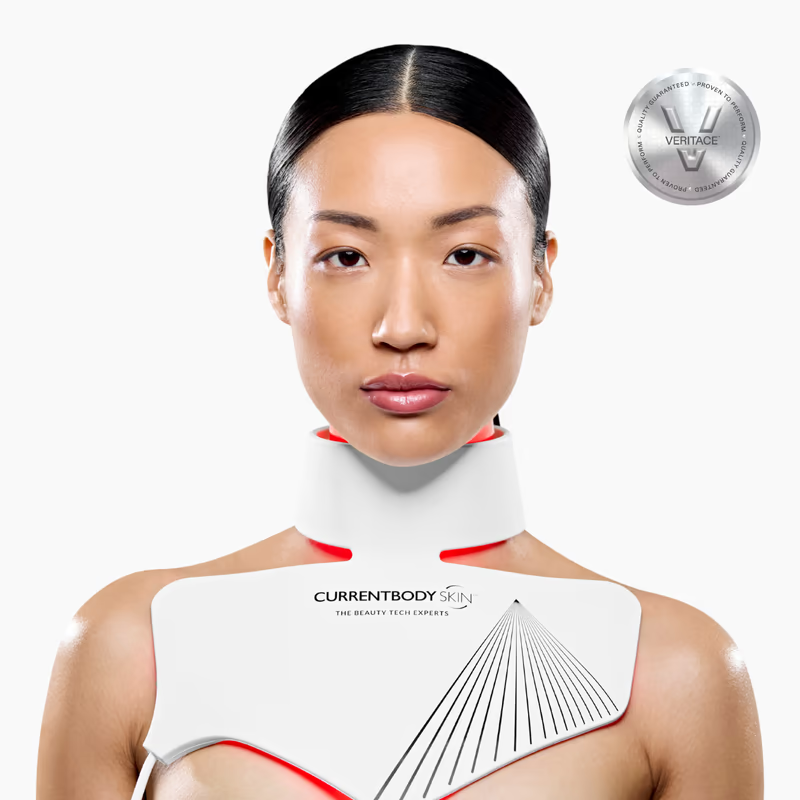
A Neck Skin Tightening Device, for example, may support clients whose concerns extend beyond the face.
The purpose of combining services should not simply be to perform as many treatments as possible. Each technology should have a clear role within the client’s programme.
Continue Learning
Continue building your understanding with these RedLightBeautyTech.com guides:
👉 LED Light Therapy Frequency – How Often Should You Use It?
👉 Red Light Therapy vs LED Light Therapy – What Is the Difference?
👉 LED Light Therapy Before and After Guide
👉 LED Light Therapy for Skin Rejuvenation
👉 Best LED Light Therapy Machine for Beauty Clinics
👉 LED Light Therapy Panels UK – Professional Clinic Buying Guide
👉 Professional LED Face Masks UK – Complete Clinic Buying Guide
👉 Anti-Ageing Treatments That Actually Work
👉 Radio Frequency Skin Tightening UK – Complete Professional Clinic Guide
👉 RF Microneedling UK – Benefits, Results and Professional Clinic Guide
👉 Neck Skin Tightening Treatments UK – Professional Clinic Guide
👉 Professional Beauty Machines UK – Complete Guide for Modern Aesthetic Clinics
These guides form a connected informational cluster while your primary product and category pages remain focused on commercial equipment searches.
Authority Resource
For independent information about skin health and dermatological treatments, visit the British Association of Dermatologists:
Final Thoughts
Realistic expectations are essential when evaluating LED therapy results.
LED treatments should not be viewed as an instant solution where one appointment permanently changes the skin. Treatment goals, wavelengths, equipment specifications, treatment frequency, individual skin condition and consistency can all influence progress.
For UK clinics, this makes client education particularly important.
Explain the treatment programme clearly, document progress consistently and avoid exaggerated claims. Where appropriate, LED can also form part of a wider professional skincare strategy alongside radio frequency, RF microneedling and other rejuvenation services.
Most importantly, assess LED therapy results over an appropriate period rather than judging treatment solely from one session or one photograph.
When professional equipment, appropriate protocols and realistic expectations work together, LED light therapy can become a valuable part of a modern skincare programme.
Frequently Asked Questions
How quickly can LED therapy results appear?
Some clients may notice temporary changes in skin appearance relatively quickly, while longer-term treatment objectives may require a structured series of sessions. Timelines vary according to the device, wavelength, skin concern and individual response.
How many sessions are needed to see LED therapy results?
There is no universal number. Professional treatment courses vary according to the client’s goals, equipment specifications and practitioner assessment.
Are LED therapy results permanent?
LED treatment should not generally be viewed as a permanent one-time solution. Skin continues to change with age, environment and lifestyle, and maintenance treatments may form part of an ongoing programme.
Do professional treatments give better LED therapy results than home devices?
Professional and home systems can differ substantially in specifications, treatment protocols and intended use. Results depend on more than whether a device is labelled professional or home-use, so individual equipment should be evaluated carefully.
Can LED therapy results be improved by having treatments more often?
More frequent treatment does not automatically mean better results. Treatment frequency should follow the appropriate protocol for the equipment and the individual client rather than simply increasing exposure.