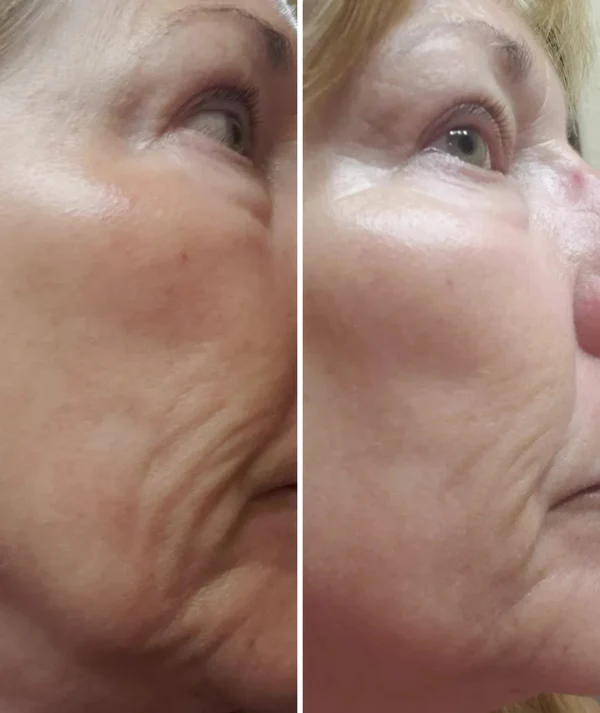
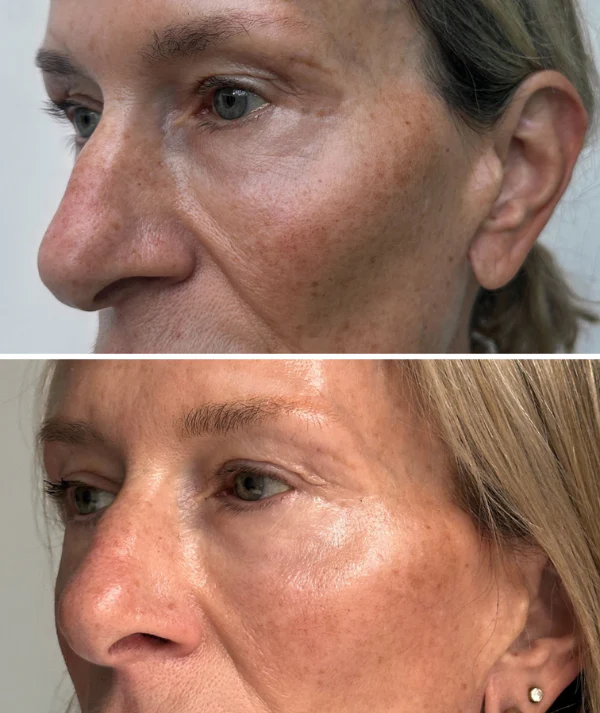
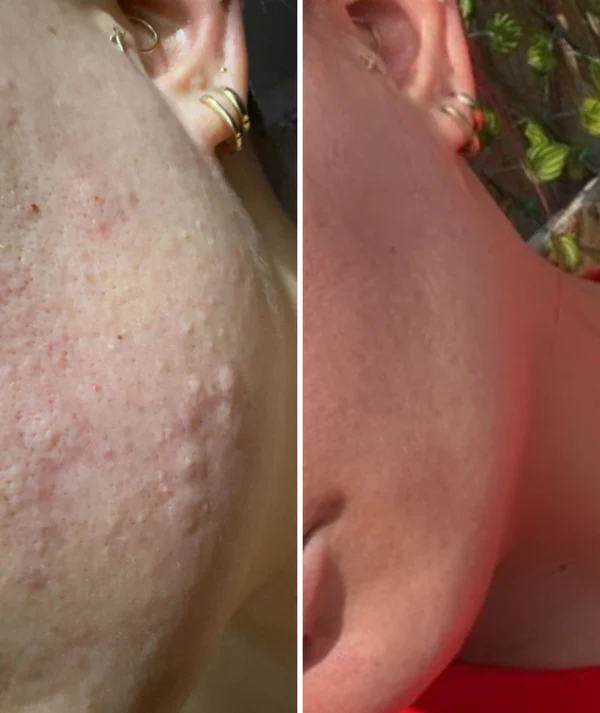

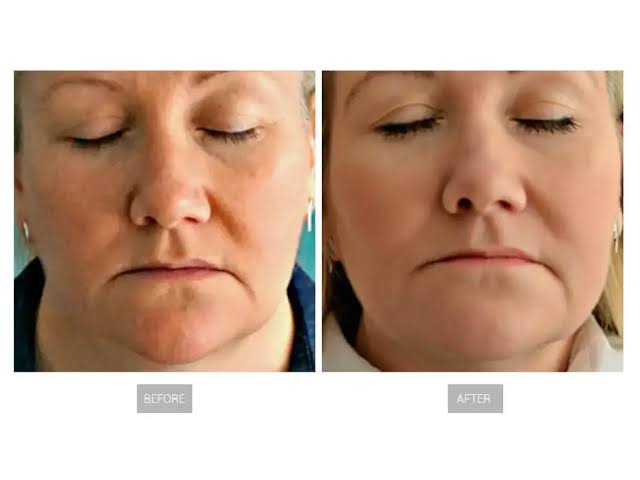
Modern beauty clinics have access to an increasingly wide range of non-surgical technologies. Two of the most frequently discussed are radio frequency and LED light therapy.
Both are commonly incorporated into professional skin rejuvenation programmes, but they work in very different ways, RF skin treatment
This leads many clients and clinic owners to compare RF vs LED therapy when deciding which treatment may be more appropriate for concerns such as visible ageing, reduced firmness, general skin quality or facial rejuvenation.
The important point is that one technology is not automatically better than the other.
Radio frequency uses RF energy to create controlled thermal effects within targeted tissue. LED light therapy uses selected wavelengths of light and does not work through the same heating mechanism.
Understanding these differences allows clinics to select equipment more intelligently and helps clients develop realistic treatment expectations.
What Is Radio Frequency Skin Treatment?
Radio frequency is a professional aesthetic technology widely associated with non-surgical skin tightening and rejuvenation programmes.
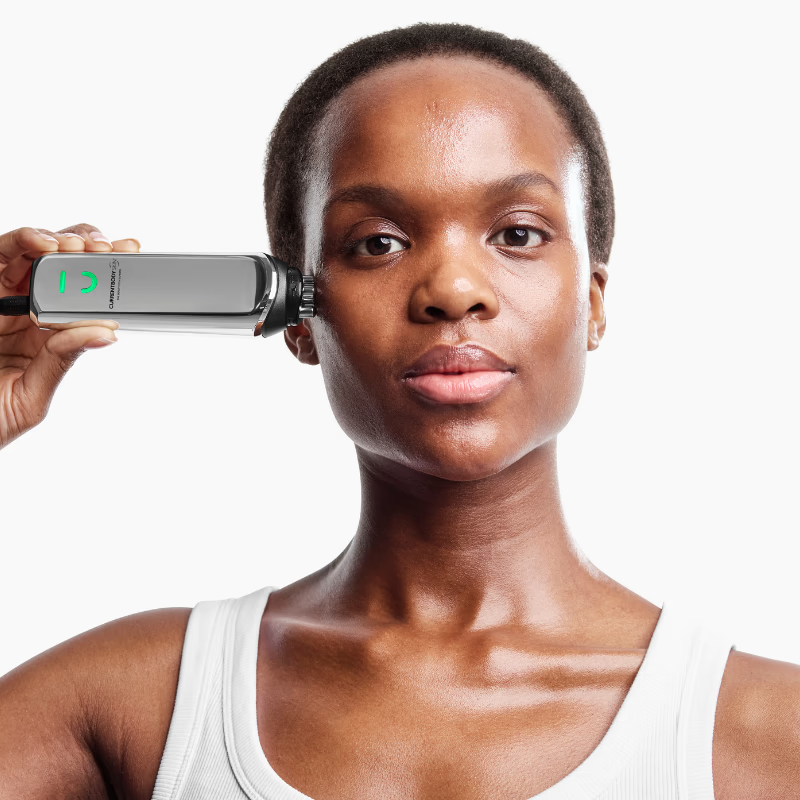
Professional Radio Frequency equipment delivers RF energy into targeted tissue, producing controlled heating according to the device and treatment protocol.
The technology may be incorporated into treatments focused on areas such as:
- Facial firmness
- Jawline appearance
- Neck rejuvenation
- Visible signs of ageing
- General skin rejuvenation
Because radio frequency is associated with thermal effects, practitioner technique and equipment controls are important, RF skin treatment.
Our Radio Frequency Skin Tightening UK – Complete Professional Clinic Guide provides a deeper explanation of the technology.
What Is LED Light Therapy?
They can serve different purposes within a professional skincare programme, RF skin treatment.
Professional systems can include wavelengths such as:
- Red light
- Blue light
- Near-infrared light
- Combinations of wavelengths
Unlike RF, LED therapy does not rely on the same controlled tissue-heating mechanism.
Professional clinics may incorporate LED into programmes focused on general skin appearance, rejuvenation, visible ageing or blemish-prone skin, depending on the wavelength and intended use of the equipment.
Our Red Light Therapy vs LED Light Therapy guide explains LED terminology and wavelengths in greater detail.
RF vs LED Therapy – What Is the Main Difference?
The fundamental difference is the type of energy being delivered.
Radio Frequency
RF equipment uses radio frequency energy and controlled heating.
LED Therapy
LED equipment uses selected wavelengths of light.
This distinction matters because RF vs LED therapy is not simply a comparison between two machines designed to perform exactly the same treatment.
They can serve different purposes within a professional skincare programme, RF skin treatment.
A clinic should therefore consider the client’s concern first and the technology second.
Which Is Better for Skin Tightening?
For clinics specifically building treatments around skin firmness, radio frequency is generally more directly associated with professional skin-tightening programmes, LED vs radio frequency facial.
RF treatments are commonly offered for areas such as:
- Face
- Jawline
- Neck
- Other suitable treatment areas depending on the equipment
LED light therapy can support wider rejuvenation programmes, but it should not automatically be marketed as though it provides the same treatment mechanism as RF.
This is an important distinction when explaining RF vs LED therapy to clients, RF skin treatment.
Our Skin Tightening Treatments – Best Non-Surgical Options UK guide compares several technologies used within firmness-focused programmes.
Which Is Better for General Skin Rejuvenation?
This depends on what “rejuvenation” means for the individual client.
If the primary concern involves reduced firmness, RF may be considered.
If the client is interested in a non-invasive light-based treatment as part of general skin maintenance or rejuvenation, LED may be incorporated.
Some clinics provide both technologies because their treatment objectives can complement one another.
Rather than asking which machine is universally superior, practitioners should ask:
What concern are we actually trying to address?
That question leads to more appropriate treatment planning.
RF vs LED Therapy for Anti-Ageing
Anti-ageing is a broad term.
Clients may use it to describe:
- Fine lines
- Reduced firmness
- Uneven texture
- Dull-looking skin
- Jawline concerns
- Neck ageing
- General changes in skin appearance
Because these concerns are different, a single treatment may not address every objective.
When comparing RF vs LED therapy for anti-ageing programmes, clinics can consider RF for firmness-focused services while LED can form part of wider skin rejuvenation and maintenance programmes.
Our Anti-Ageing Treatments That Actually Work guide explores how several professional technologies can fit into a broader treatment strategy, LED vs radio frequency facial.
Does RF Use Red Light?
No.
This is an important misconception.
Radio frequency and red light are different forms of energy.
RF equipment uses radio frequency energy.
Red light therapy uses visible red wavelengths, often generated using LEDs.
A machine may theoretically contain more than one technology, but the presence of red-coloured lights does not mean the RF itself is light therapy.
Clinics should always examine technical specifications rather than judging equipment by its appearance.
Does LED Therapy Heat the Skin Like RF?
LED light therapy should not be described as working through the same controlled thermal mechanism used by professional RF treatments.
That is one of the major differences in the RF vs LED therapy comparison.
Treatment experience can therefore differ.
Clients may experience warmth during some RF procedures because controlled heating forms part of the treatment process.
LED sessions are generally approached differently and should follow the protocols supplied for the specific light therapy system.
RF vs LED Therapy at a Glance
| Factor | RF Therapy | LED Therapy |
|---|---|---|
| Technology | Radio frequency energy | Selected wavelengths of light |
| Main mechanism | Controlled tissue heating | Photobiomodulation/light exposure |
| Common focus | Firmness and skin tightening | Skin rejuvenation and appearance |
| Invasive? | Standard RF is generally non-invasive | Non-invasive |
| Downtime | Usually limited with non-invasive RF | Generally minimal |
| Best suited to | Firmness-focused programmes | Broader light-based skincare programmes |
| Clinic use | Practitioner-controlled treatments | Professional facial and skin programmes |
So, is RF or LED therapy better? Neither is universally better. RF is generally more directly associated with firmness and non-surgical skin-tightening programmes, while LED therapy uses specific wavelengths of light and may suit broader skin rejuvenation goals. The appropriate option depends on the client’s concern, treatment objective, skin condition and the equipment being used.
What About RF Microneedling?
RF microneedling adds another technology to the comparison.
Professional RF Microneedling combines controlled microneedling with radio frequency energy.
Specialised needles enter the skin at selected depths while RF energy is delivered according to the equipment and treatment protocol.
This makes RF microneedling fundamentally different from both standard external RF and non-invasive LED therapy.
Clinics may consider it for concerns involving:
- Skin texture
- Fine lines
- Visible ageing
- Skin firmness
- Certain types of scarring
Read our RF Microneedling UK – Benefits, Results and Professional Clinic Guide for more information, LED vs radio frequency facial, LED vs radio frequency facial.
RF vs RF Microneedling vs LED
These three treatment categories can be understood more simply:
Standard RF
Primarily associated with non-invasive thermal rejuvenation and firmness-focused treatments.
RF Microneedling
Combines microneedling with RF energy for more advanced professional treatment programmes.
LED Therapy
Uses selected wavelengths of light and can support non-invasive skin rejuvenation programmes.
Instead of making all three technologies compete, a well-equipped clinic can assign each one a clear role.
This can create a more versatile treatment menu.
Which Treatment Has Less Downtime?
LED light therapy is non-invasive and is often incorporated into services where minimal interruption to normal activities is desirable.
Standard RF treatments can also be non-invasive, although client experience depends on the equipment and protocol.
RF microneedling is different because controlled needles enter the skin, meaning post-treatment response and aftercare can be more significant.
When comparing RF vs LED therapy, downtime is therefore one factor clients may consider alongside their actual treatment goals.
What Results Can Clients Expect?
Neither technology should be marketed with guaranteed outcomes.
Results can vary according to:
- Age
- Skin condition
- Treatment objective
- Equipment
- Treatment protocol
- Treatment consistency
- Individual response
- Lifestyle
Some programmes involve multiple sessions before progress is reviewed.
Our LED Therapy Results – When Can You Expect Visible Changes? guide explains why LED treatment progress should be evaluated realistically rather than expecting an overnight transformation.
The same principle of realistic expectations should apply to RF treatments, LED vs radio frequency facial.
How Often Are Treatments Performed?
Treatment frequency depends on the specific equipment, protocol and client.
LED programmes may involve regular sessions during an initial treatment course followed by maintenance where appropriate.
RF treatment schedules may differ.
Practitioners should not assume the same frequency applies to both technologies simply because both appear on an anti-ageing treatment menu.
For more information about light-based treatment schedules, read LED Light Therapy Frequency – How Often Should You Use It?
LED Face Masks vs RF Facial Machines
Equipment format is another consideration for clinics.
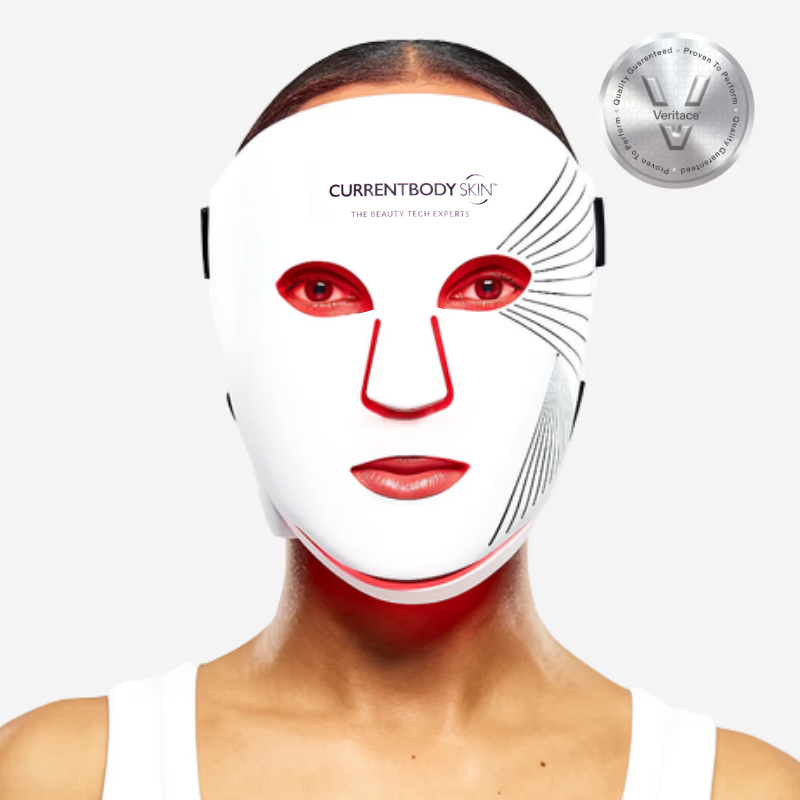
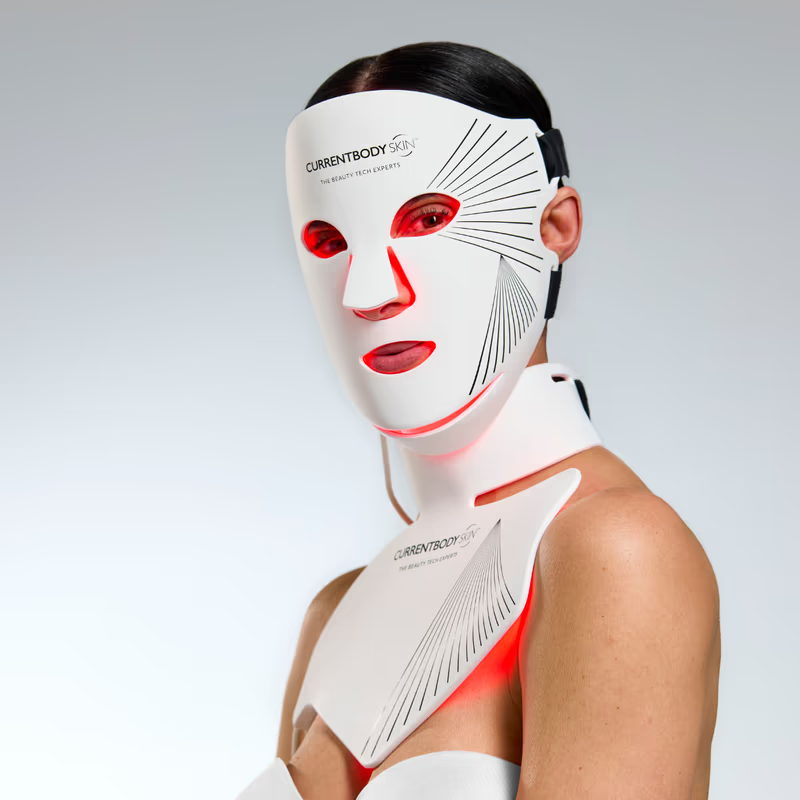
Professional LED Face Masks can provide targeted facial light therapy in a compact format.
An RF facial machine uses different technology and practitioner controls.
Therefore, purchasing decisions should not be based purely on whether one device looks more advanced.
Consider:
- Client demand
- Intended treatments
- Equipment specifications
- Practitioner involvement
- Treatment time
- Training requirements
- Space
- Price per treatment
- Maintenance
The right equipment depends on the business model.
Light Therapy Panels vs RF Equipment
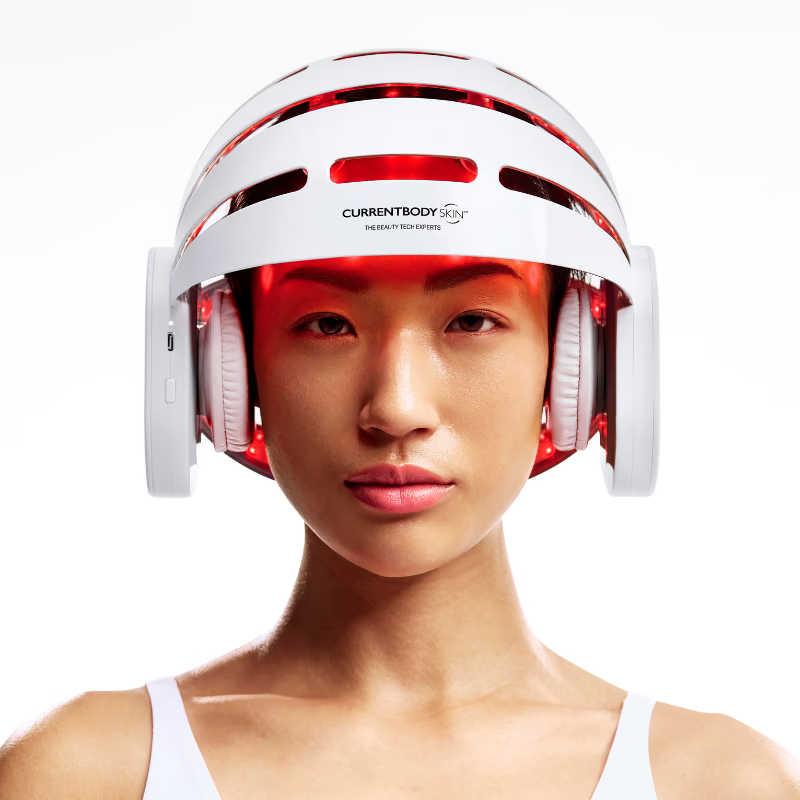
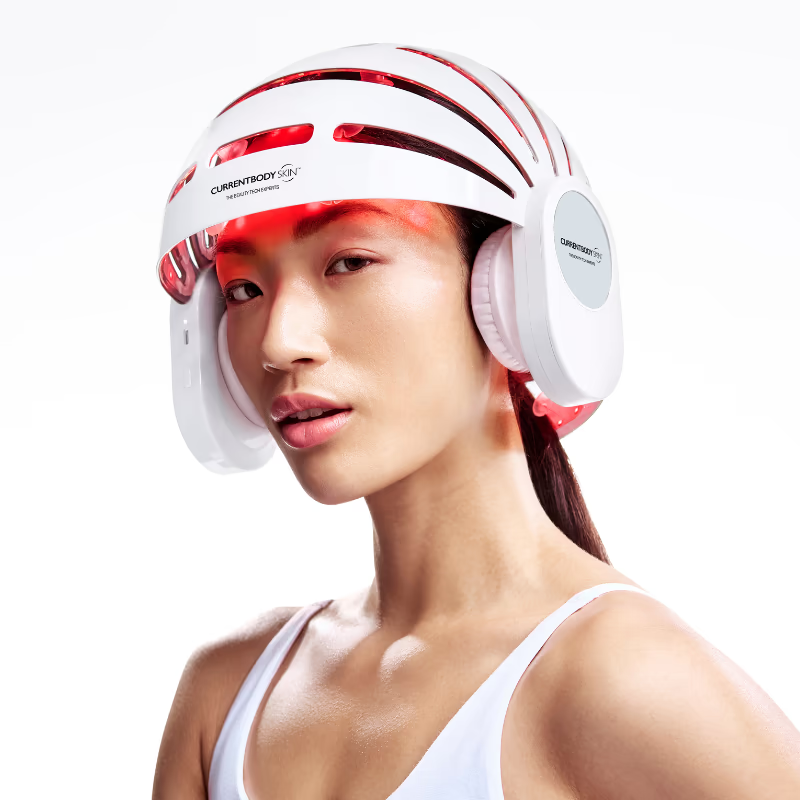
Professional Light Therapy Panels provide another LED treatment format.
Panels may offer:
- Flexible positioning
- Wider coverage
- Facial treatments
- Neck applications
- Larger treatment areas depending on design
RF equipment may offer different handpieces and treatment areas depending on the machine.
For clinics considering RF vs LED therapy from an investment perspective, the question should therefore be which services the equipment will allow the business to offer profitably.
Which Is Better for Neck Rejuvenation?
The neck is a common area of concern for clients interested in visible ageing.
RF is frequently incorporated into professional neck-firming programmes.
LED therapy may also form part of broader neck rejuvenation services, particularly when appropriate panels or dedicated devices provide suitable coverage.
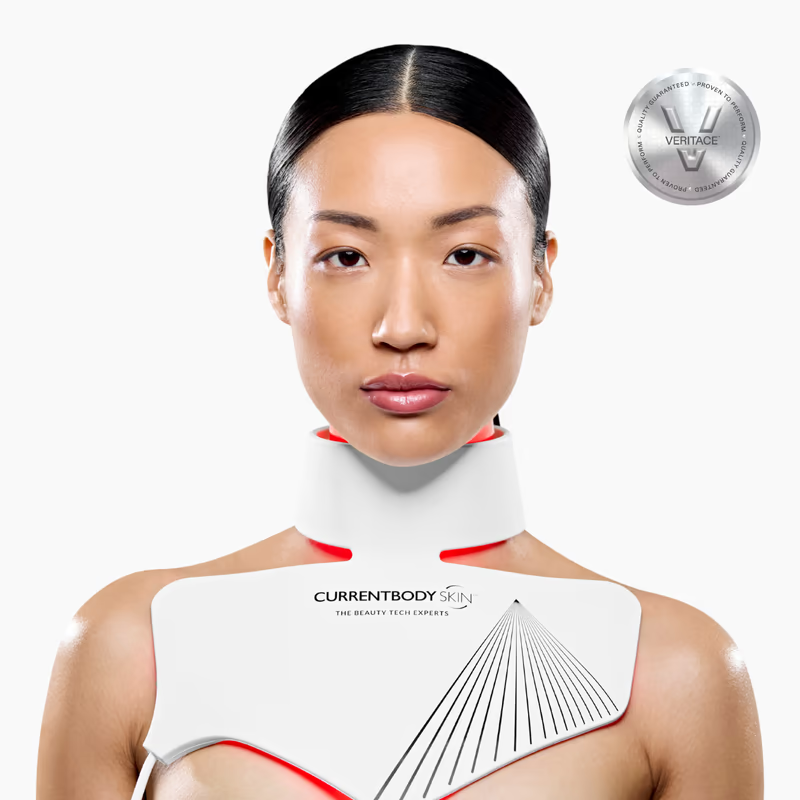
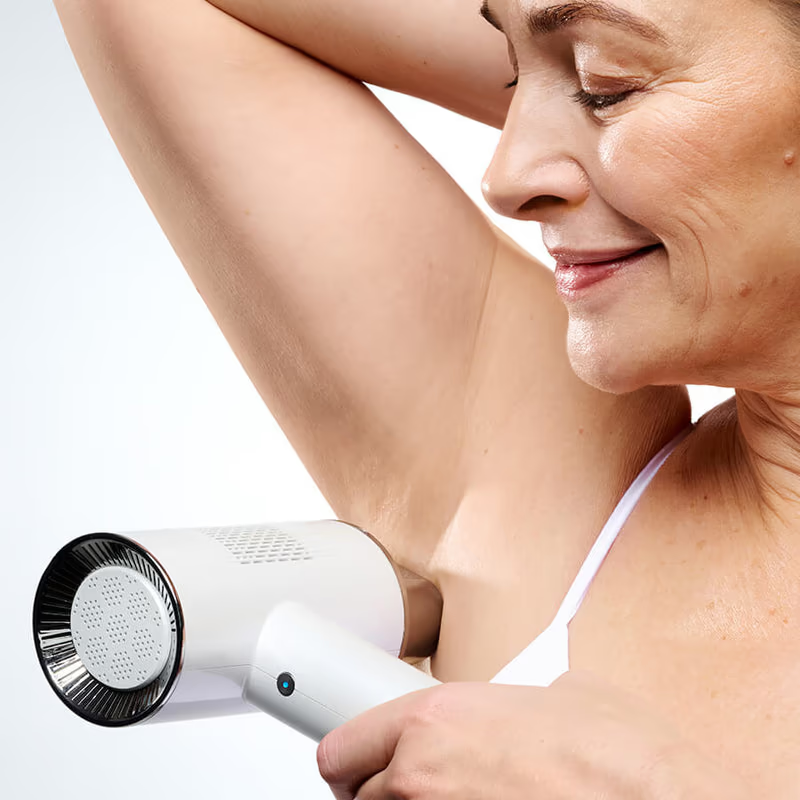
A professional Neck Skin Tightening Device can also allow clinics to develop services specifically around this treatment area.
Our Neck Skin Tightening Treatments UK – Professional Clinic Guide explores these options in more detail.
Can RF and LED Therapy Be Combined?
A clinic can offer both technologies within the same overall skincare programme where suitable.
However, combining treatments does not mean they should automatically be performed together during every appointment.
Treatment planning should consider:
- Client suitability
- Treatment objective
- Skin response
- Equipment protocols
- Practitioner training
- Appropriate timing
The purpose should be to create a logical treatment programme, not simply add as many technologies as possible.
This is one reason the RF vs LED therapy question does not always need a single winner, radio frequency vs LED therapy.
For some clinics, offering both can provide greater treatment flexibility.
Professional vs Home Treatments
Home LED devices have become widely available, while professional LED systems may offer different specifications, coverage and treatment controls.
Professional RF treatments should likewise be distinguished from consumer devices marketed for home use.
Clinics can provide additional value through:
- Professional consultation
- Client assessment
- Structured treatment plans
- Progress monitoring
- Appropriate equipment
- Treatment adjustments
- Aftercare guidance
This service-based approach can help professional treatments remain distinct from consumer beauty gadgets, RF vs LED therapy.
Which Technology Is a Better Investment for a Beauty Clinic?
This depends on the clinic.
Before buying either system, calculate:
- Equipment cost
- Expected treatment demand
- Treatment price
- Practitioner time
- Consumables
- Maintenance
- Training
- Expected appointments
- Potential packages
A clinic with strong demand for firmness-focused treatments may prioritise RF.
A business centred around facial skincare and light-based services may see greater value in professional LED equipment.
Larger clinics may benefit from offering both.
Our Medical Spa Equipment Buying Guide provides a wider framework for evaluating professional equipment investments.
Choose the Supplier, Not Just the Machine
Equipment specifications matter, but supplier quality matters too.
Professional Beauty Equipment Suppliers UK should be able to provide information about:
- Technical specifications
- Training
- Intended applications
- Warranty
- Maintenance
- Replacement parts
- Technical assistance
- After-sales support
Clinics should be cautious when suppliers make dramatic claims without providing meaningful technical information.
Our Aesthetic Equipment Manufacturer guide explains how to investigate the company behind professional beauty technology.
Common Mistakes When Comparing RF and LED
Avoid these common assumptions:
- Believing RF and LED use the same energy
- Assuming LED is simply a weaker version of RF
- Assuming RF is automatically better for every skin concern
- Choosing equipment based only on price
- Ignoring wavelengths when evaluating LED
- Ignoring RF treatment controls
- Expecting identical treatment schedules
- Promising guaranteed outcomes
- Treating RF microneedling as standard RF
- Purchasing equipment without researching client demand
Understanding the technology behind each treatment leads to better decisions, RF vs LED therapy.
Continue Learning
Continue exploring the RedLightBeautyTech.com professional treatment guides:
👉 LED Light Therapy Frequency – How Often Should You Use It?
👉 Red Light Therapy vs LED Light Therapy – What Is the Difference?
👉 LED Light Therapy Before and After Guide
👉 LED Light Therapy for Skin Rejuvenation
👉 Best LED Light Therapy Machine for Beauty Clinics
👉 LED Light Therapy Panels UK – Professional Clinic Buying Guide
👉 Professional LED Face Masks UK – Complete Clinic Buying Guide
👉 Anti-Ageing Treatments That Actually Work
👉 Radio Frequency Skin Tightening UK – Complete Professional Clinic Guide
👉 RF Microneedling UK – Benefits, Results and Professional Clinic Guide
👉 Neck Skin Tightening Treatments UK – Professional Clinic Guide
👉 Professional Beauty Machines UK – Complete Guide for Modern Aesthetic Clinics
This structure helps visitors move between comparison, treatment and buying-intent content while keeping product keywords separate.
Authority Resource
For independent information about cosmetic procedures and considerations before undergoing non-surgical treatments, visit:
Final Thoughts
The RF vs LED therapy comparison becomes much easier once the two technologies are understood separately.
Radio frequency uses RF energy and controlled heating and is commonly incorporated into professional programmes focused on skin firmness and rejuvenation. LED therapy uses selected wavelengths of light and can support a broader range of non-invasive skincare programmes depending on the wavelengths and equipment.
Neither technology should automatically be labelled the winner, radio frequency vs LED therapy.
The right treatment depends on the client’s concern, skin condition, expectations and suitability.
For clinic owners, the same principle applies when buying equipment. Choose technology according to client demand and the treatments you genuinely intend to offer rather than purchasing whichever machine is currently receiving the most attention online.
In many professional clinics, RF and LED can occupy different but complementary positions within the treatment menu.
Understanding those differences allows practitioners to build clearer treatment programmes, explain services more accurately and invest in equipment that supports the clinic’s long-term strategy.
Frequently Asked Questions
What is the main difference between RF and LED therapy?
Radio frequency uses RF energy to create controlled thermal effects, while LED therapy uses selected wavelengths of light. They therefore operate through different treatment mechanisms.
Is RF better than LED for skin tightening?
RF is more directly associated with professional firmness-focused and non-surgical skin-tightening programmes. LED therapy works differently and may be incorporated into broader skin rejuvenation services.
Can you have RF and LED treatments?
Clinics may include both technologies within a wider treatment programme where appropriate. Treatment timing and suitability should be determined according to professional protocols and individual client assessment.
Is LED therapy less invasive than radio frequency?
Standard LED light therapy is non-invasive. Many standard RF treatments are also non-invasive, although they use controlled thermal energy. RF microneedling is different because needles enter the skin.
Should a beauty clinic buy RF or LED equipment first?
The decision depends on client demand, existing services, treatment objectives, budget, practitioner training and expected return on investment. Clinics focused on skin firmness may prioritise RF, while those building light-based facial services may prioritise LED.